Lobster Bisque Recipe: The Ultimate Guide to Making a Rich and Creamy Seafood Classic
Lobster bisque is one of those dishes that instantly feels luxurious. The moment a warm bowl lands on the table, filled with silky seafood flavor and a velvety texture, it transforms an ordinary meal into something memorable. While many people only order lobster bisque at upscale restaurants, the truth is that making it at home is absolutely possible with the right approach. A carefully prepared lobster bisque recipe delivers deep flavor, smooth consistency, and a restaurant-quality finish that impresses everyone at the table.
The beauty of lobster bisque comes from its layers of flavor. Every ingredient plays a role, from the sweet lobster meat to the aromatic vegetables and rich cream. Unlike simple soups that rely on one dominant ingredient, bisque develops complexity through slow cooking, careful seasoning, and proper blending techniques. The result is a soup that tastes elegant yet comforting at the same time.
Many home cooks feel intimidated by seafood recipes, especially lobster. There is a common assumption that lobster bisque is difficult or overly technical. In reality, the process is manageable when broken into simple steps. Understanding how to build flavor gradually makes the entire experience enjoyable instead of stressful. Once you learn the basics, you can confidently prepare lobster bisque for family dinners, holiday celebrations, or romantic meals at home.
Another reason lobster bisque remains so popular is its versatility. It works beautifully as a starter course before a seafood dinner, but it can also stand on its own with fresh bread and a salad. Some cooks prefer a traditional French-style bisque with intense lobster flavor and a silky texture, while others like adding a slightly chunkier consistency with extra lobster meat folded in at the end. The recipe can be adjusted depending on personal preference without losing its signature richness.
A great lobster bisque recipe is about more than following instructions. It is about understanding why certain techniques matter. Roasting lobster shells creates a stronger seafood flavor. Slowly cooking vegetables develops sweetness. Properly blending the soup gives it that signature creamy finish. Once you understand these elements, you gain the ability to create a truly exceptional bisque rather than simply copying a recipe.
This detailed guide will walk through everything you need to know about preparing homemade lobster bisque. From choosing lobster and preparing the stock to thickening the soup and serving it beautifully, every step matters. By the end, you will understand how to create a bowl of lobster bisque that tastes rich, balanced, and worthy of a fine dining menu.
What Makes Lobster Bisque So Special
Lobster bisque stands apart from ordinary seafood soup because of its texture and flavor concentration. Traditional bisque recipes focus on extracting every possible ounce of flavor from crustaceans, especially lobster shells. This process creates a broth that tastes intensely rich without becoming overwhelming. The creaminess balances the seafood notes perfectly, resulting in a luxurious eating experience.
One of the defining characteristics of lobster bisque is its smooth consistency. Unlike chowders or rustic soups filled with chunky ingredients, bisque is refined and velvety. The soup is usually blended until silky and then strained to remove any remaining solids. This careful preparation creates the elegant texture that makes lobster bisque feel so sophisticated.
Another factor that makes lobster bisque unique is the balance between richness and sweetness. Lobster naturally contains a delicate sweetness that becomes more pronounced when cooked properly. Ingredients like onions, carrots, tomato paste, and cream complement the seafood instead of overpowering it. When everything comes together correctly, each spoonful tastes layered and balanced.
The history behind bisque also contributes to its prestige. Originating in French cuisine, bisque was traditionally prepared using shellfish such as lobster, crab, or shrimp. French chefs developed techniques to maximize flavor while maintaining a refined presentation. Over time, lobster bisque became associated with upscale dining and gourmet cooking. Even today, many restaurants feature lobster bisque as a signature menu item.
Texture plays a major role in the experience as well. A proper bisque should feel smooth and luxurious without becoming too thick or heavy. The cream adds richness, but the soup still needs enough fluidity to remain elegant. Achieving that perfect consistency requires patience and careful cooking techniques. Too much flour can make the soup gummy, while too little thickening may leave it watery.
Lobster bisque is also highly aromatic. The combination of butter, seafood stock, herbs, wine, and cream creates a scent that immediately signals comfort and indulgence. Even before tasting the soup, the aroma alone makes it inviting. This sensory experience is one reason why lobster bisque remains such a timeless classic.
Another interesting aspect is the flexibility of the recipe. Some chefs emphasize pure lobster flavor by using minimal ingredients, while others incorporate cognac, sherry, or paprika for added complexity. There are modern versions with spice, roasted garlic, or herb-infused cream. Despite these variations, the foundation remains the same: a rich seafood-based soup with smooth texture and balanced flavor.
People often assume restaurant-quality bisque requires professional training, but that is not true. What truly matters is attention to detail. Properly cooking the shells, slowly building the broth, and carefully seasoning the soup all make a huge difference. Small steps create the deep flavor that separates an average bisque from an exceptional one.
Lobster bisque also pairs beautifully with many occasions. It feels elegant enough for holidays and dinner parties, yet comforting enough for cozy evenings at home. Whether served in fine china or rustic bowls beside crusty bread, it always creates a sense of occasion. Few soups carry the same level of warmth and sophistication simultaneously.
Because lobster bisque relies heavily on technique rather than excessive ingredients, quality matters. Fresh lobster, good stock, and proper seasoning elevate the final dish dramatically. Understanding these fundamentals helps home cooks produce a bisque that tastes authentic and deeply satisfying.
Choosing the Best Lobster for Your Recipe
The quality of lobster directly affects the final flavor of your bisque. Choosing the right lobster is one of the most important decisions in the cooking process. Fresh lobster delivers sweeter meat, cleaner flavor, and a more aromatic broth compared to frozen or prepackaged alternatives.
Live lobster is often considered the gold standard for lobster bisque. While handling live lobster may feel intimidating initially, it provides the freshest possible flavor. The shells and meat both contribute significantly to the soup, so freshness matters greatly. When selecting live lobster, look for active movement and intact shells. A healthy lobster should feel heavy for its size and show no unpleasant odor.
Cold-water lobsters are generally preferred because they produce sweeter and firmer meat. Maine lobster is especially popular due to its clean taste and tender texture. Warm-water lobster varieties can still work in bisque, but they may lack the same depth of flavor and sweetness found in cold-water species.
Frozen lobster tails are a convenient option for home cooks who cannot access live lobster. High-quality frozen tails can still produce a delicious bisque when thawed properly. The key is avoiding lobster that appears dry, discolored, or freezer burned. Slow thawing in the refrigerator helps preserve texture and flavor better than rapid thawing methods.
Some cooks use a combination of lobster meat and shells purchased separately. This approach can be more economical while still creating excellent flavor. Since the shells contribute heavily to the stock, having enough shell material is essential. Even if you use smaller amounts of lobster meat, the shells help maintain that signature bisque taste.
Lobster size also matters. Medium-sized lobsters around one and a quarter to one and a half pounds often provide the best balance between shell flavor and tender meat. Very large lobsters can sometimes become tougher, while extremely small ones may not yield enough meat or shell for a rich stock.
The freshness of lobster meat affects texture significantly. Fresh lobster should smell mildly sweet and ocean-like, never fishy or sour. If the meat has an unpleasant odor or slimy appearance, it should not be used. Seafood freshness is critical not only for flavor but also for food safety.
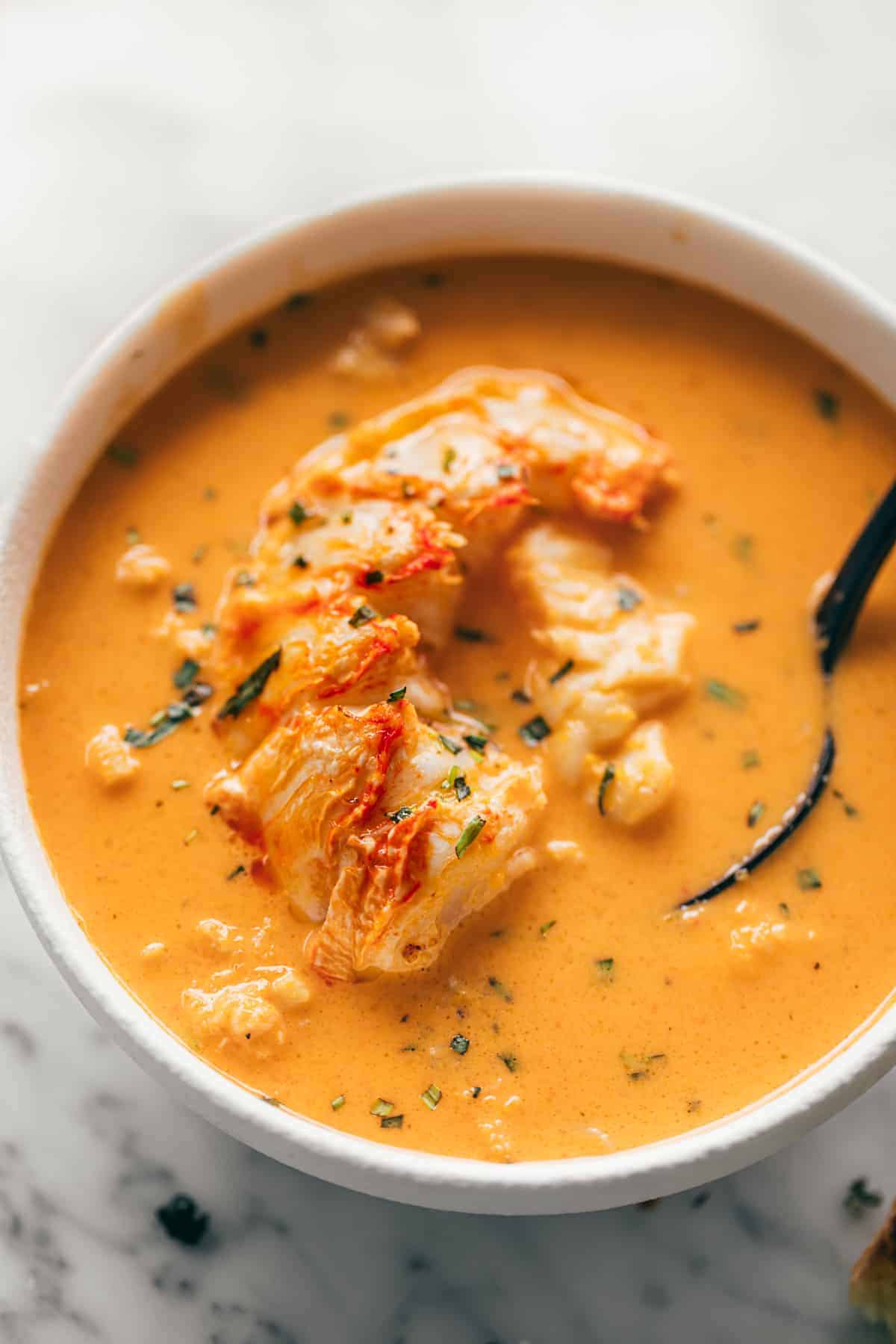
When preparing lobster for bisque, many chefs reserve some meat for garnish. Adding chunks of tender lobster meat at the end creates visual appeal and enhances texture. This small detail makes homemade bisque feel even more luxurious and restaurant-worthy.
Some people wonder whether canned lobster can work in bisque. While canned seafood may provide convenience, it usually lacks the freshness and sweetness needed for a truly exceptional soup. The flavor often tastes muted compared to fresh or frozen lobster. For special meals, investing in quality lobster is absolutely worthwhile.
Shells are incredibly important because they contain concentrated seafood flavor. Roasting or sautéing the shells before simmering them in stock intensifies the richness dramatically. This technique helps create the deep, layered flavor that defines great lobster bisque.
Sustainability is another factor worth considering. Choosing responsibly sourced lobster supports healthier marine ecosystems and ensures long-term seafood availability. Many seafood markets now provide sourcing information, making it easier for consumers to make informed choices.
Ultimately, the best lobster for bisque is the freshest and highest-quality option available within your budget. Even modest amounts of good lobster can produce incredible results when combined with proper cooking techniques and patience.
Essential Ingredients That Build Flavor
Every great lobster bisque recipe depends on carefully selected ingredients working together harmoniously. While lobster is the star, the supporting ingredients are equally important because they build depth, aroma, and balance throughout the soup.
Butter forms the foundation of flavor in most bisque recipes. It helps sauté vegetables gently while adding richness to the broth. Unsalted butter is usually preferred because it allows greater control over seasoning. The buttery base complements lobster beautifully without overpowering its natural sweetness.
Aromatic vegetables create the flavor backbone of the soup. Onion, celery, and carrots are commonly used because they add subtle sweetness and complexity. These vegetables should be cooked slowly until softened and fragrant. Rushing this step can leave harsh flavors instead of the smooth depth needed for bisque.
Garlic adds warmth and richness when used carefully. Too much garlic can dominate delicate seafood flavor, so balance is important. Properly sautéed garlic enhances the soup without becoming aggressive or bitter.
Tomato paste is another essential ingredient in many lobster bisque recipes. It contributes acidity, sweetness, and color while helping deepen the overall flavor profile. Cooking the tomato paste for several minutes before adding liquid ingredients helps caramelize its natural sugars and remove raw bitterness.
Seafood stock is one of the most critical components of bisque. Homemade lobster stock made from shells creates unmatched richness and authenticity. While store-bought seafood stock can work in a pinch, homemade stock delivers far superior flavor because it captures the essence of the lobster shells directly.
Heavy cream provides the luxurious texture associated with bisque. The cream softens the seafood intensity while creating a velvety mouthfeel. Some recipes use half-and-half for a lighter version, but full cream generally produces the richest result.
Wine or cognac often appears in traditional lobster bisque recipes. Alcohol helps extract flavor compounds and adds complexity to the broth. Dry white wine contributes brightness, while cognac adds warmth and subtle sweetness. Cooking the alcohol properly ensures balanced flavor without harshness.
Herbs and spices enhance the soup carefully without overshadowing the lobster. Thyme, bay leaves, paprika, and white pepper are common choices. These ingredients should remain subtle because the lobster flavor needs to stay at the center of the dish.
Flour or rice may be used as thickening agents depending on the recipe style. Flour creates a classic creamy consistency, while rice blended into the soup provides natural thickening with a smooth texture. Each approach has its advantages, and both can produce excellent results.
Salt plays an important role in highlighting seafood sweetness. However, over-salting can quickly ruin delicate flavors. Careful seasoning throughout the cooking process helps maintain balance.
Fresh herbs like chives or parsley are often added at the end for freshness and color. These garnishes brighten the rich soup visually and flavor-wise. Small finishing touches contribute significantly to presentation and overall enjoyment.
Some modern recipes incorporate cayenne pepper or smoked paprika for mild heat and smokiness. These additions can create exciting flavor dimensions when used thoughtfully. However, restraint remains essential because excessive spice can overpower the lobster.
The quality of every ingredient matters because bisque relies on flavor concentration. Since the soup is blended and refined, imperfections become more noticeable. Using fresh vegetables, good cream, quality stock, and fresh seafood creates a noticeably better final result.
Understanding how these ingredients interact helps cooks make adjustments confidently. Once you know the purpose of each element, you can customize your lobster bisque recipe while preserving its luxurious character.
Step-by-Step Guide to Preparing Lobster Bisque
Making lobster bisque at home becomes much easier when the process is approached step by step. Instead of trying to handle everything at once, focusing on each stage individually creates better flavor and texture. The secret to exceptional bisque lies in patience and careful layering of ingredients.
Start by preparing the lobster. If using live lobster, boil or steam it briefly until the shell turns bright red and the meat becomes opaque. Remove the meat carefully and reserve it for later. The shells should never be discarded because they contain enormous flavor potential. Break the shells into smaller pieces to help release flavor more efficiently during cooking.
Next comes building the stock. Melt butter in a large heavy pot and add the lobster shells. Cook them over medium heat until they become fragrant and slightly toasted. This roasting process intensifies the seafood flavor dramatically. Stir frequently to prevent burning while allowing the shells to develop deeper color.
Once the shells are aromatic, add diced onions, celery, and carrots. Cook the vegetables slowly until softened. This stage builds sweetness and complexity into the base of the soup. Add garlic near the end so it becomes fragrant without burning.
Tomato paste is added next and cooked for several minutes. Allowing the paste to caramelize slightly helps deepen the flavor while removing raw acidity. At this point, many recipes include cognac or white wine. Carefully pour in the liquid and let it simmer until slightly reduced.
Now add seafood stock or water along with herbs like thyme and bay leaves. Bring the mixture to a gentle simmer rather than a hard boil. Slow simmering extracts flavor from the lobster shells while keeping the broth balanced and clean tasting. The stock should cook long enough to develop richness without becoming bitter.
After simmering, strain the liquid carefully to remove shells and vegetables. Pressing lightly helps extract maximum flavor, but avoid forcing too many solids through the strainer. The resulting broth should smell deeply aromatic and rich.
To create the creamy base, prepare a roux or use another thickening method depending on the recipe style. A roux is made by cooking flour and butter together until smooth. Gradually whisk the strained broth into the roux to avoid lumps. Slow incorporation creates a silky consistency.
The soup is then blended until smooth. An immersion blender works well for convenience, though countertop blenders can produce exceptionally velvety texture. Blending helps unify all flavors while creating the signature bisque consistency.
Heavy cream is added near the end of cooking. The soup should be heated gently after adding cream because excessive boiling can cause separation. Taste carefully and adjust seasoning with salt, white pepper, or paprika if needed.
Reserved lobster meat is folded into the soup just before serving. This keeps the meat tender and prevents overcooking. Some people prefer large chunks for texture, while others dice the meat finely for a smoother presentation.
Presentation matters more than many people realize. Serve lobster bisque hot in warm bowls to maintain temperature and texture. Garnishes like chopped chives, fresh parsley, cream drizzle, or small lobster pieces elevate the visual appeal significantly.
Fresh bread pairs beautifully with lobster bisque because it balances the richness of the soup. Crusty baguette, garlic toast, or buttery crackers all work well alongside the creamy seafood flavors.
The final result should feel luxurious but balanced. The soup must taste deeply of lobster while remaining smooth, creamy, and refined. Properly prepared lobster bisque delivers incredible depth without heaviness.
Once you understand the overall process, making lobster bisque becomes much less intimidating. Each step builds upon the previous one, gradually creating the complex flavors that make this classic dish so beloved.
Common Mistakes to Avoid When Making Lobster Bisque
Even experienced home cooks can run into problems when preparing lobster bisque. Because the soup relies heavily on technique and balance, small mistakes can affect flavor, texture, or consistency. Understanding these common issues helps ensure a smoother cooking experience and a much better final result.
One of the biggest mistakes is rushing the stock. Lobster shells need time to release their flavor properly. If the shells are simmered too briefly, the broth may taste weak and underdeveloped. On the other hand, boiling them aggressively for too long can create bitterness. Gentle simmering is the key to achieving balanced seafood flavor.
Another common issue is overcooking the lobster meat. Lobster becomes rubbery quickly when exposed to excessive heat. Since the meat is often reheated in the soup later, it should initially be cooked only until just done. Adding the meat near the end helps preserve tenderness and sweetness.
Using low-quality seafood stock can also weaken the entire recipe. Many store-bought stocks lack the richness necessary for authentic bisque. Homemade stock from lobster shells creates much deeper flavor. If commercial stock must be used, choose one with minimal additives and strong seafood aroma.
Too much cream is another frequent problem. While lobster bisque should feel luxurious, excessive cream can overpower the seafood flavor and make the soup heavy. The cream should enhance the broth rather than dominate it. Balance is essential for maintaining elegance.
Improper seasoning often affects homemade bisque. Under-seasoned soup tastes flat, while over-seasoning masks the lobster. Salt should be added gradually throughout the cooking process instead of all at once. White pepper and paprika should remain subtle background flavors rather than primary tastes.
Skipping the straining step can leave the soup grainy instead of silky. Traditional bisque is known for its smooth texture, which requires proper blending and straining. Even small shell fragments or vegetable fibers can disrupt the luxurious consistency.
Burning the garlic or tomato paste creates bitterness that spreads throughout the entire soup. These ingredients should be cooked carefully over moderate heat. Once bitterness develops, it is difficult to correct later.
Another mistake involves adding cold cream directly into very hot soup. Sudden temperature changes can cause separation or curdling. Allowing the cream to warm slightly and adding it gradually helps maintain smooth texture.
Some cooks use too much flour when thickening the soup. Over-thickened bisque can feel pasty and heavy rather than elegant. The soup should coat the spoon gently without becoming overly dense.
Ignoring presentation is another missed opportunity. Since lobster bisque is considered a refined dish, serving it thoughtfully enhances the experience. Garnishes like fresh herbs, lobster pieces, or cream swirls create visual appeal that complements the rich flavor.
Many beginners also underestimate the importance of tasting throughout cooking. Flavor changes as the soup reduces and ingredients blend together. Regular tasting allows adjustments before problems become impossible to fix.
Using pre-cooked lobster meat from poor-quality sources may lead to dry texture and dull flavor. Fresh lobster provides sweetness and tenderness that dramatically improve the final dish. Even frozen lobster tails can outperform heavily processed alternatives.
Overloading the soup with extra ingredients can also weaken its elegance. Lobster bisque is meant to highlight seafood flavor rather than become cluttered with vegetables or spices. Simplicity often produces the best results.
Finally, impatience during blending can affect texture significantly. Proper blending takes time to achieve true smoothness. Rushing this step may leave the soup uneven or gritty instead of velvety.
Avoiding these mistakes makes a tremendous difference in the final dish. With careful technique, balanced seasoning, and attention to detail, homemade lobster bisque can rival the quality of restaurant versions.
Creative Variations of Lobster Bisque
Traditional lobster bisque is already incredibly satisfying, but creative variations can introduce exciting flavors and textures while maintaining the soup’s luxurious essence. Once the classic method is mastered, experimenting with different ingredients becomes both fun and rewarding.
One popular variation includes roasted garlic. Roasting garlic softens its sharpness and creates sweet, caramelized flavor that blends beautifully into creamy bisque. Instead of overpowering the lobster, roasted garlic adds warmth and depth that make the soup feel even richer.
Spicy lobster bisque is another delicious twist. A touch of cayenne pepper, red chili flakes, or hot sauce can create gentle heat that contrasts nicely with the sweetness of lobster meat. The key is restraint. The spice should enhance the soup subtly without overwhelming the seafood.
Some chefs incorporate sherry instead of white wine or cognac. Sherry adds nutty complexity and slight sweetness that pairs wonderfully with shellfish. Dry sherry works especially well because it deepens flavor without making the soup overly sweet.
Corn and lobster are a surprisingly excellent combination. Sweet corn kernels folded into the bisque provide texture and natural sweetness. This variation feels especially comforting during summer when fresh corn is at its peak flavor.
Tomato-based lobster bisque offers a lighter but still flavorful approach. Increasing the amount of tomato while slightly reducing cream creates a brighter soup with more acidity. This style can feel fresher and less heavy while still maintaining richness.
Some recipes incorporate herbs more aggressively for a modern flavor profile. Tarragon, dill, or chives can add freshness and aromatic complexity. Fresh herbs should usually be added near the end to preserve their brightness.
Coconut milk occasionally replaces cream in contemporary versions. This creates a slightly tropical flavor profile that pairs surprisingly well with seafood. Coconut-based bisque often includes ginger or lemongrass for additional depth and fragrance.
Another elegant variation includes saffron. Just a small pinch of saffron threads infuses the bisque with subtle floral aroma and beautiful golden color. Since saffron is powerful, a little goes a very long way.
For those who enjoy smoky flavor, smoked paprika or roasted peppers can transform the soup beautifully. These additions create warmth and complexity while maintaining the bisque’s creamy nature. Smoked elements pair particularly well with grilled bread served alongside the soup.
Mushroom lobster bisque creates earthy richness that complements seafood surprisingly well. Mushrooms should be cooked thoroughly to develop savory depth before blending into the soup. This version feels especially comforting during colder months.
Some cooks prefer chunkier bisque rather than fully smooth versions. Leaving small pieces of vegetables or lobster meat creates more texture and a rustic feel. While not entirely traditional, this approach can still be incredibly satisfying.
Truffle oil is another luxurious addition used sparingly in upscale variations. A tiny drizzle before serving adds earthy aroma and gourmet appeal. However, too much truffle flavor can easily overpower the lobster, so moderation is essential.
Cheese is generally avoided in classic lobster bisque, but small amounts of mascarpone can add creamy richness without overwhelming the seafood. This creates an especially silky texture.
Herb-infused cream is another sophisticated option. Simmering cream with thyme, basil, or tarragon before adding it to the soup creates subtle aromatic layers. Straining the herbs afterward keeps the texture smooth.
Modern cooks sometimes blend in roasted fennel for gentle licorice-like sweetness that complements lobster naturally. Fennel adds complexity without becoming dominant.
These variations show how adaptable lobster bisque can be while still preserving its elegant identity. Experimentation allows home cooks to personalize the dish and discover flavor combinations that suit their tastes perfectly.
Best Side Dishes and Pairings for Lobster Bisque
Lobster bisque is rich and flavorful enough to stand on its own, but the right side dishes and pairings can elevate the meal even further. Because the soup is creamy and luxurious, complementary foods should balance the richness rather than compete with it.
Fresh bread is one of the most classic companions for lobster bisque. A crusty French baguette provides satisfying texture and helps soak up every drop of the soup. Warm bread with butter feels comforting while allowing the bisque to remain the star of the meal.
Garlic bread also works beautifully, especially when prepared lightly. Too much garlic can overwhelm the seafood flavor, but a subtle buttery garlic toast creates a wonderful contrast to the creamy soup.
A simple green salad offers freshness and acidity that balance the richness of the bisque. Crisp lettuce, cucumbers, radishes, and a light vinaigrette cleanse the palate between spoonfuls. Citrus-based dressings pair especially well with seafood dishes.
Oyster crackers are another traditional pairing. Their mild flavor and crunchy texture complement lobster bisque without distracting from it. Some people enjoy adding them directly into the soup for extra texture.
For more elegant meals, lobster bisque pairs wonderfully with seafood appetizers. Shrimp cocktail, crab cakes, or scallops can create a sophisticated seafood-themed dinner. The key is keeping portions balanced so the meal does not become too heavy.
Cheese-based sides should be approached carefully because they can overpower the delicate seafood flavor. Mild cheeses like brie or goat cheese work better than sharp cheddar or blue cheese.
Wine pairings also enhance the lobster bisque experience significantly. Dry white wines such as Chardonnay, Sauvignon Blanc, or Pinot Grigio complement the creamy seafood flavors beautifully. Wines with good acidity help cut through the richness while highlighting the sweetness of the lobster.
Sparkling wine is another excellent option because its crisp bubbles refresh the palate. Champagne or sparkling brut creates an especially luxurious dining experience when paired with lobster bisque.
For non-alcoholic pairings, sparkling water with lemon provides refreshing contrast. Light citrus beverages also work well because acidity balances creaminess effectively.
Roasted vegetables can accompany lobster bisque nicely when prepared simply. Asparagus, green beans, or roasted carrots provide color and texture without overwhelming the soup.
Mini sandwiches or seafood sliders are another interesting pairing for casual gatherings. Lobster rolls, crab sliders, or shrimp sandwiches can create a fun seafood-focused menu alongside the bisque.
If serving lobster bisque as part of a larger dinner, lighter main courses work best afterward. Grilled fish, roasted chicken, or pasta with lemon butter sauce complement the soup without creating excessive heaviness.
Presentation matters when serving pairings. Elegant bowls, warm bread baskets, fresh herbs, and coordinated plating enhance the overall experience dramatically. Since lobster bisque already feels sophisticated, thoughtful presentation helps complete the atmosphere.
Some people enjoy serving lobster bisque in small portions as an appetizer before steak or seafood dinners. This approach keeps the meal balanced while still allowing guests to enjoy the richness of the soup.
Dessert pairings should remain relatively light after a rich bisque meal. Fruit tarts, lemon sorbet, or berry desserts provide refreshing contrast without feeling overly heavy.
Ultimately, the best pairings enhance the bisque without stealing attention from it. Since lobster bisque already delivers deep flavor and creamy texture, complementary sides should provide freshness, crunch, or acidity to create balance throughout the meal.
Tips for Making Restaurant-Quality Lobster Bisque at Home
Creating restaurant-quality lobster bisque at home is absolutely possible when attention is given to detail and technique. Professional chefs rely on small refinements that dramatically improve flavor, texture, and presentation. These expert tips can help elevate homemade bisque from good to exceptional.
The first secret is developing a deeply flavorful stock. Restaurant chefs often roast lobster shells before simmering them because roasting intensifies sweetness and creates more complex flavor. Taking a few extra minutes for this step makes a noticeable difference.
Using homemade seafood stock instead of water also improves depth tremendously. Even adding shrimp shells or crab shells alongside lobster shells can create richer flavor layers. The more concentrated the stock, the more luxurious the final soup tastes.
Patience during vegetable cooking is another important factor. Onions, carrots, and celery should be softened slowly rather than rushed over high heat. Gentle cooking develops natural sweetness and avoids harsh flavors.
Blending thoroughly is essential for achieving silky texture. Professional kitchens often blend bisque longer than home cooks expect. High-speed blending breaks down ingredients completely, creating smooth consistency without graininess.
Straining the soup through a fine mesh sieve may seem tedious, but it creates the polished texture associated with restaurant bisque. This extra step removes tiny shell fragments and vegetable fibers that can affect mouthfeel.
Balancing cream carefully is another professional technique. Too much cream dulls seafood flavor, while too little can make the soup feel thin. Restaurant-quality bisque tastes rich yet still allows lobster flavor to shine clearly.
Seasoning in layers rather than all at once improves complexity significantly. Small adjustments throughout cooking help maintain balance while enhancing natural sweetness and savory depth.
Adding cold butter at the end is a classic chef technique known as mounting. Small pieces of butter whisked into the hot soup create extra glossiness and luxurious texture without making the bisque greasy.
Fresh herbs should be used strategically. Instead of cooking delicate herbs for long periods, many chefs add them near the end for brighter aroma and fresher flavor.
Serving temperature matters more than many people realize. Bisque should be hot but not boiling when served. Excessive heat can dull flavors and affect cream texture.
Presentation also separates restaurant-style bisque from ordinary soup. A small drizzle of cream, chopped herbs, or perfectly placed lobster chunks instantly creates a more refined appearance. Warm bowls help maintain the ideal serving temperature longer.
Professional chefs often add a touch of acidity to balance richness. A squeeze of lemon juice or splash of sherry near the end brightens the entire dish without making it taste sour.
Texture contrast can also improve the eating experience. Crispy croutons, toasted bread, or delicate herb garnishes add dimension alongside the smooth soup.
Timing is important when adding lobster meat back into the bisque. Overheated lobster quickly becomes chewy. Gentle reheating preserves tenderness and sweetness.
Restaurant kitchens also focus heavily on aroma. Fresh herbs, butter, seafood stock, and wine should combine into a fragrant soup that smells inviting before the first spoonful is even tasted.
Using quality cookware helps with temperature control. Heavy-bottomed pots distribute heat more evenly, reducing the risk of scorching delicate ingredients.
Finally, confidence and patience are essential. Lobster bisque rewards careful cooking rather than speed. Taking time to build flavor gradually creates a soup that tastes elegant, balanced, and deeply satisfying.
Once these techniques become familiar, homemade lobster bisque can easily rival versions served in upscale restaurants. The combination of fresh ingredients, proper technique, and thoughtful presentation transforms this classic seafood soup into a truly memorable dish.
Frequently Asked Questions
Can I make lobster bisque ahead of time?
Yes, lobster bisque often tastes even better the next day because the flavors continue developing.
Can frozen lobster tails be used for bisque?
Absolutely, high-quality frozen lobster tails work very well when thawed properly.
What is the best cream for lobster bisque?
Heavy cream is preferred because it creates the richest and smoothest texture.
Why is my lobster bisque grainy?
Grainy texture usually happens when the soup is not blended or strained thoroughly enough.
Can I freeze lobster bisque?
Yes, but cream-based soups may separate slightly after thawing, so reheating gently is important.
What herbs go best with lobster bisque?
Thyme, chives, parsley, and tarragon pair especially well with lobster flavor.
How do I thicken lobster bisque properly?
A light roux, blended rice, or reduced cream can create the perfect consistency.
Can I make lobster bisque without alcohol?
Yes, you can skip wine or cognac and still create a delicious bisque.
What bread pairs best with lobster bisque?
Crusty French bread or lightly toasted garlic bread pairs beautifully with the soup.
How long should lobster shells simmer for stock?
About 45 minutes to one hour is usually ideal for extracting rich flavor.
Can shrimp be added to lobster bisque?
Yes, shrimp can add extra seafood flavor and texture when used carefully.
Is lobster bisque supposed to be very thick?
No, it should be creamy and velvety but still pour smoothly from a spoon.
What causes lobster meat to become rubbery?
Overcooking is the main reason lobster meat becomes tough and rubbery.
Can milk replace heavy cream in lobster bisque?
Milk can be used, but the soup will taste lighter and less luxurious.
What makes restaurant lobster bisque taste better?
Careful stock preparation, proper seasoning, and smooth texture make the biggest difference.
Also read: Fufu and Egusi: The Heart of West African Comfort Food