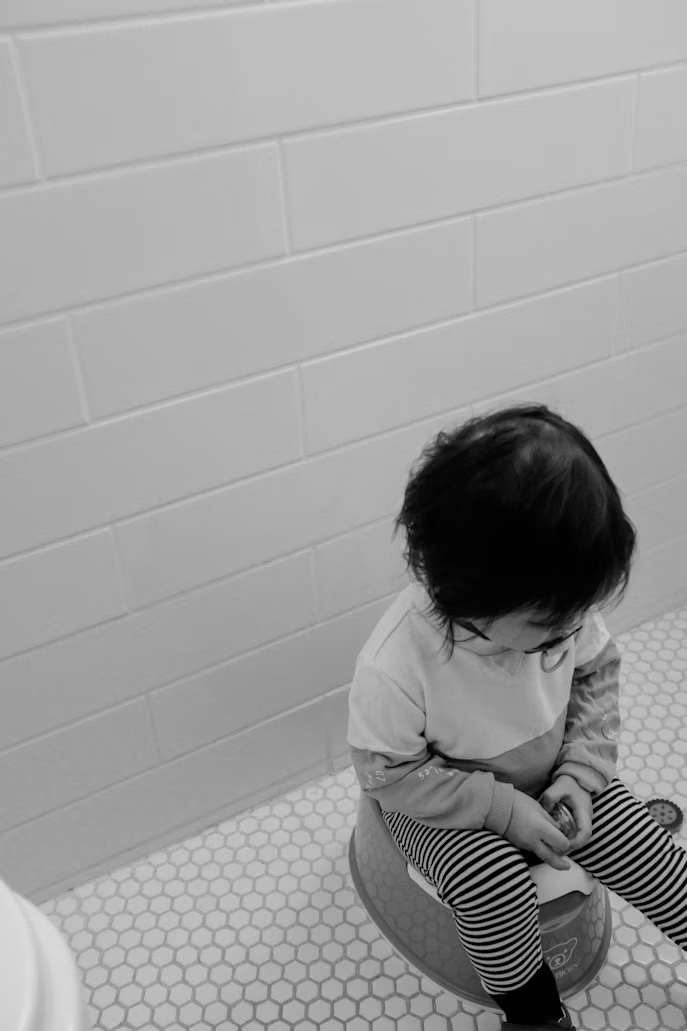
Building Healthy Bathroom Habits for Young Children
Helping young children develop healthy bathroom habits is an essential part of early childhood development. These routines go beyond the basics of hygiene and independence, influencing a child’s confidence, self awareness, and overall well being. While every child progresses at their own pace, consistent support and guidance can make a meaningful difference in how they approach this important milestone.
For many families, the process involves balancing encouragement with patience while adapting to each child’s unique needs. Establishing positive habits early can simplify daily routines and set the foundation for long term success. By focusing on consistency, understanding, and age appropriate strategies, caregivers can create an environment that supports both learning and comfort.
Creating a Positive and Encouraging Environment
Building healthy bathroom habits begins with creating an environment where children feel safe, comfortable, and supported. Young children are highly responsive to the emotional tone set by caregivers, and a calm, encouraging approach can make the learning process more effective. When children feel relaxed, they are more likely to engage willingly and develop confidence in their abilities.
Simple actions such as offering praise for effort and maintaining a reassuring tone during setbacks can significantly influence a child’s willingness to participate. Instead of focusing on mistakes, emphasizing progress helps reinforce positive behavior. This approach encourages children to view bathroom routines as a normal and manageable part of their day.
A welcoming bathroom space can also play an important role. Ensuring that the area is accessible, well lit, and equipped with child friendly tools helps reduce fear or hesitation. When children associate the space with comfort and familiarity, they are more likely to approach it with confidence.
Establishing Consistent Daily Routines
Consistency is a key factor in helping children build lasting bathroom habits. Regular routines provide structure and help children understand when and how to use the bathroom. Scheduling consistent times throughout the day, such as after meals or before bedtime, creates predictable patterns that children can easily follow.
Over time, these repeated actions help children recognize their body’s signals and respond appropriately. The familiarity of a routine reduces uncertainty and supports gradual independence. Even in households with changing schedules, maintaining a core set of consistent habits can provide stability.
Caregivers should aim to keep routines simple and easy to follow. Introducing too many changes at once can lead to confusion, while a steady approach helps reinforce learning. By focusing on repetition and clarity, families can support steady progress without overwhelming the child.
Using Practical Tools That Support Independence
Providing the right tools can make a significant difference in how children approach bathroom routines. Items such as step stools, child sized toilet seats, and easy to manage clothing allow children to participate more actively in the process. These tools help bridge the gap between dependence and independence, making tasks feel achievable.
When children can reach the sink, sit comfortably, and manage their clothing, they are more likely to feel capable and motivated. This sense of independence encourages them to take ownership of their routines. Over time, these small steps contribute to greater confidence and self reliance.
It can also be helpful to allow children to have input in choosing their tools. Selecting items that feel personal or enjoyable can increase their willingness to engage. These choices create a sense of involvement, turning what might feel like a challenge into a more positive experience.
Reinforcing Habits Through Expert Guidance
While many families navigate this stage successfully on their own, some may benefit from additional support. Working with a professional potty trainer can provide tailored strategies that address a child’s specific needs and challenges. This guidance is particularly valuable for families who encounter delays, resistance, or uncertainty about the best approach.
Professional support often involves assessing the child’s readiness and identifying patterns that may affect progress. With this insight, caregivers can implement strategies that are both effective and appropriate for the child’s development. This targeted approach helps reduce frustration and promotes more consistent results.
In addition to offering practical techniques, expert guidance can provide reassurance for parents. Knowing that their approach is aligned with best practices can increase confidence and reduce stress. This support allows families to focus on encouraging their child rather than worrying about potential setbacks.
Encouraging Hygiene and Responsibility
Healthy bathroom habits extend beyond simply using the toilet. Teaching children about hygiene and responsibility is an equally important part of the learning process. Simple practices such as proper handwashing, flushing, and keeping the space tidy help reinforce a sense of accountability.
Children can learn these habits through gentle instruction and repetition. Demonstrating each step and guiding them as they practice helps ensure that routines are understood and followed consistently. Over time, these actions become automatic, contributing to overall cleanliness and well being.
Encouraging responsibility should always be paired with patience. Children may need reminders and support as they learn, and progress may take time. By maintaining a positive and supportive approach, caregivers can help children develop habits that will serve them throughout their lives.
Supporting Emotional Readiness and Confidence
Emotional readiness plays a significant role in successful bathroom habit development. Children need to feel confident and capable before they can fully embrace new routines. Forcing the process too early can lead to resistance, while waiting for signs of readiness can result in a smoother transition.
Observing a child’s behavior can provide valuable insight into their readiness. Signs such as increased awareness of bodily signals or an interest in independence often indicate that they are prepared to begin learning. Responding to these cues helps ensure that the process aligns with the child’s natural development.
Confidence grows when children feel supported and understood. Offering encouragement, acknowledging progress, and maintaining a patient attitude all contribute to a positive experience. This emotional support is just as important as practical strategies in helping children build lasting habits.
Conclusion
Building healthy bathroom habits in young children is a gradual process that requires consistency, patience, and a supportive environment. By focusing on positive reinforcement, structured routines, and age appropriate tools, caregivers can guide children toward independence in a way that feels natural and encouraging.
Each child’s journey is unique, and success is defined by steady progress rather than speed. With thoughtful guidance and a commitment to creating positive experiences, families can help children develop habits that promote confidence, hygiene, and long term well being.