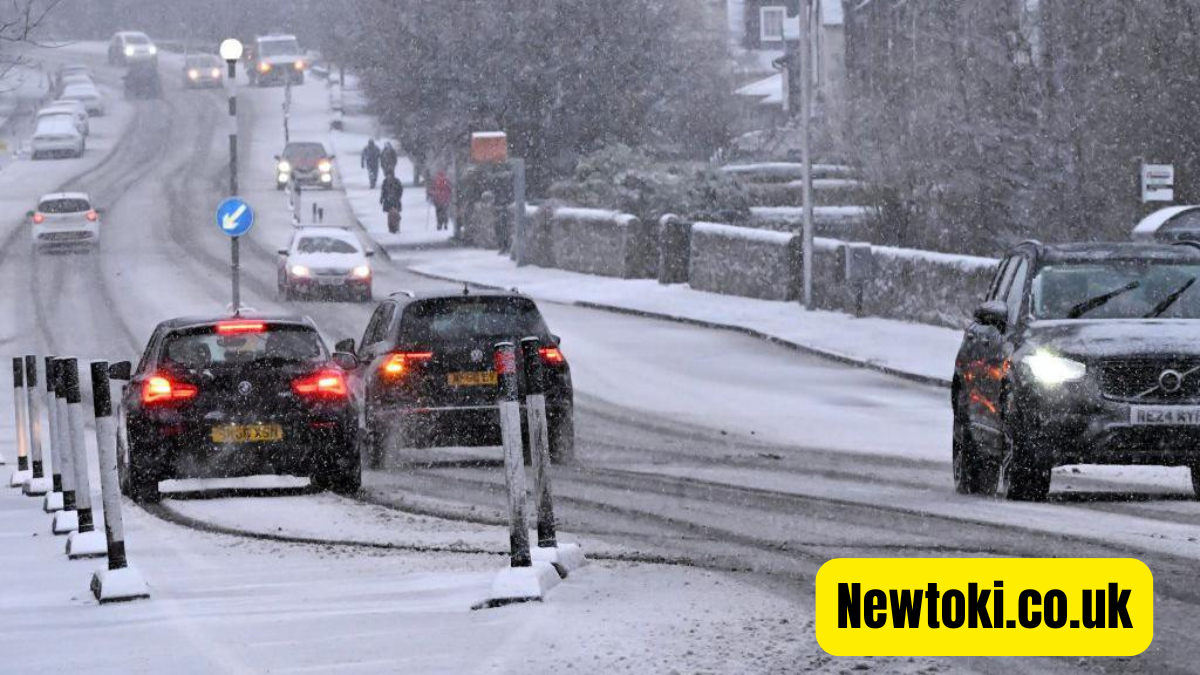
Moderate Snow Ice Warning: Meaning, Impacts, and Safety Guide for Winter Conditions
Introduction to Moderate Snow Ice Warning
A moderate snow ice warning is one of those weather alerts that sits in the middle of the severity scale, but it still carries enough importance that you cannot ignore it. It usually signals that a combination of snowfall and freezing conditions is expected to create hazardous surfaces, reduced visibility, and disruptions to everyday life. Unlike extreme blizzard-level alerts, this warning does not always mean complete shutdown, but it definitely means caution is necessary. Meteorological agencies use this classification to help people understand that while conditions are not the worst possible, they are still dangerous enough to affect travel and safety.
When people hear the term, they often underestimate it because the word “moderate” makes it sound less serious. However, in practice, moderate snow and ice conditions can still cause significant issues, especially for commuters, pedestrians, and drivers. Roads can become slippery, black ice can form unexpectedly, and snowfall can reduce visibility just enough to increase accident risk. Even a few centimeters of snow combined with freezing rain or overnight frost can trigger this type of warning in many regions.
Another important aspect is that this warning is not limited to rural or mountainous areas. Urban environments are just as vulnerable, sometimes even more so due to higher traffic density. Cities often experience compacted snow turning into ice, making sidewalks and intersections particularly hazardous. The warning serves as a reminder that even routine activities like going to work, school, or grocery shopping may require extra planning and caution.
In simple terms, a moderate snow ice warning is a signal that winter conditions are becoming disruptive, but not yet extreme. It is the kind of alert that encourages preparedness rather than panic. Understanding it properly can help reduce accidents, minimize disruptions, and ensure that people continue their daily routines safely despite challenging weather.
How Meteorologists Define a Moderate Snow Ice Warning
Meteorologists define a moderate snow ice warning based on a combination of atmospheric data, temperature thresholds, precipitation type, and expected accumulation levels. It is not just about how much snow falls, but also about how that snow interacts with surface temperatures and existing ground conditions. When temperatures hover around freezing, even light precipitation can quickly turn into ice, which is one of the key triggers for this type of warning.
Weather models play a major role in determining whether conditions meet the criteria. Forecasters analyze humidity levels, wind patterns, and pressure systems to estimate how snow and ice will develop over a specific region. When they see consistent signals that suggest moderate accumulation and freezing conditions over several hours, they issue the warning to alert the public in advance. This helps people prepare before conditions worsen.
Another factor is impact forecasting, which has become increasingly important in modern meteorology. Instead of focusing only on weather measurements, experts now consider how the weather will affect transportation, infrastructure, and daily life. A moderate snow ice warning may be issued even if snowfall amounts are not high, simply because the combination of ice formation and timing (such as rush hours) can significantly disrupt normal activities.
The classification system itself varies slightly between countries, but the concept remains similar. It sits between light advisory-level conditions and severe winter storm warnings. This middle category is particularly important because it often represents the most frequent type of disruptive winter weather. It is not extreme enough to shut everything down, but it is serious enough that ignoring it can lead to accidents and delays.
Weather Conditions That Lead to This Warning
The development of a moderate snow ice warning usually begins with a specific atmospheric setup. One of the most common scenarios involves a warm air layer sitting above a cold surface layer. This causes precipitation to fall as rain or wet snow, which then freezes upon contact with the ground. This process is what leads to the formation of ice layers on roads, sidewalks, and other surfaces.
Another contributing factor is temperature fluctuation around the freezing point. When daytime temperatures rise slightly above freezing and then drop below zero at night, melted snow can refreeze into a thin, dangerous layer of ice. This cycle often repeats during winter transitions, making conditions unpredictable and hazardous even when snowfall itself is not heavy.
Wind also plays a role in shaping these conditions. Strong winds can redistribute snow, creating uneven accumulation that hides icy patches underneath. In open areas, wind chill can also lower the perceived temperature, increasing the likelihood of freezing surfaces even when air temperatures are marginally above zero. This combination of wind and moisture is often a key indicator for forecasters.
Finally, prolonged precipitation events contribute significantly to these warnings. When snow or freezing rain continues over several hours, even moderate amounts can accumulate into slippery layers. The duration of the event is often just as important as the intensity. A slow, steady snowfall combined with freezing temperatures can create more disruption than a short burst of heavy snow.
Impact on Roads and Transportation
One of the most immediate effects of a moderate snow ice warning is on road conditions. Even a thin layer of ice can drastically reduce tire traction, making braking distances longer and steering less predictable. Drivers often underestimate how dangerous these conditions can be, especially when roads look only slightly wet or snowy. This is where most winter-related accidents tend to occur.
Highways and major roads are usually treated first with salt or de-icing chemicals, but side streets and rural roads often remain hazardous for longer periods. Black ice, which is nearly invisible, becomes a major concern during these warnings. It tends to form on bridges, overpasses, and shaded areas where temperatures drop faster than surrounding surfaces. Drivers who are unaware of these patterns are especially at risk.
Public transportation systems are also affected. Buses may run on delayed schedules due to slippery roads, while trains can experience slower speeds if tracks are impacted by snow buildup or freezing rain. In some cases, services may be temporarily suspended to ensure passenger safety. Air travel can also face disruptions, especially when snow accumulation affects runways or de-icing procedures.
For pedestrians, transportation risks are just as serious. Sidewalks, stairs, and crossings can become dangerously slippery, increasing the likelihood of falls and injuries. Even short walks can become risky without proper footwear or caution. During these warnings, mobility across all forms of transport becomes slower, more cautious, and highly dependent on weather conditions.
Effects on Daily Life and Routine
A moderate snow ice warning does not just affect transportation; it also influences everyday routines in noticeable ways. Schools may delay opening times or switch to remote learning depending on local policies and severity. Offices may see reduced attendance as employees choose to work from home or adjust their commute schedules to avoid peak risk periods.
Daily errands such as grocery shopping, medical appointments, or banking can become more complicated. People often need to plan trips more carefully, choosing safer time windows when temperatures are slightly higher or roads have been treated. Even simple tasks like walking pets or collecting mail can require extra caution due to slippery surfaces.
Power supply and utilities can also experience minor disruptions during these conditions. While moderate warnings do not usually cause widespread outages, ice buildup on power lines or tree branches can occasionally lead to localized issues. This is why utility companies often prepare in advance when such warnings are issued.
On a personal level, these conditions encourage people to slow down and adjust their pace of life. Activities that normally take a few minutes may take significantly longer. The overall atmosphere becomes more cautious, with individuals paying closer attention to weather updates and adjusting plans accordingly.
Safety Measures During Moderate Snow Ice Warning
Safety during a moderate snow ice warning depends heavily on preparation and awareness. One of the most important steps is reducing unnecessary travel. If staying indoors is an option, it is usually the safest choice until conditions improve. When travel is unavoidable, planning routes that are treated and well-maintained can reduce risks significantly.
Footwear plays a surprisingly important role in safety. Shoes with proper grip or anti-slip soles can prevent falls on icy surfaces. Small adjustments like taking shorter steps, walking slowly, and using handrails can also make a big difference when moving outdoors. Many injuries during these conditions happen simply due to rushing.
Vehicles require additional preparation as well. Checking tire condition, ensuring windshield wipers are functional, and keeping emergency supplies in the car are all essential steps. Drivers are also advised to maintain greater distance between vehicles and avoid sudden braking or acceleration on slippery roads.
Finally, staying informed is key. Weather updates, local advisories, and real-time traffic reports help people make better decisions throughout the day. A moderate snow ice warning is not just about reacting to weather but actively adjusting behavior to match changing conditions.
How Authorities Issue and Communicate the Warning
Authorities rely on meteorological agencies and forecasting centers to issue a moderate snow ice warning. These organizations continuously monitor weather data from satellites, radar systems, and ground stations. When models indicate that conditions will reach a certain threshold of risk, the warning is officially issued and shared with the public.
Communication happens through multiple channels. These include television broadcasts, mobile alerts, weather apps, radio announcements, and official government websites. The goal is to reach as many people as possible in a short period of time so that they can take appropriate precautions before conditions worsen.
Local authorities also play a role in adapting the warning to specific regions. For example, a city with strong snow-clearing infrastructure may experience fewer disruptions compared to a rural area with limited resources. As a result, messaging is often tailored to reflect local conditions and expected impacts.
In recent years, communication methods have become faster and more precise. Real-time alerts on smartphones have significantly improved public response times. Instead of waiting for traditional news updates, people can now receive instant notifications, which helps reduce accidents and improve preparedness.
Regional Differences in Snow Ice Warnings
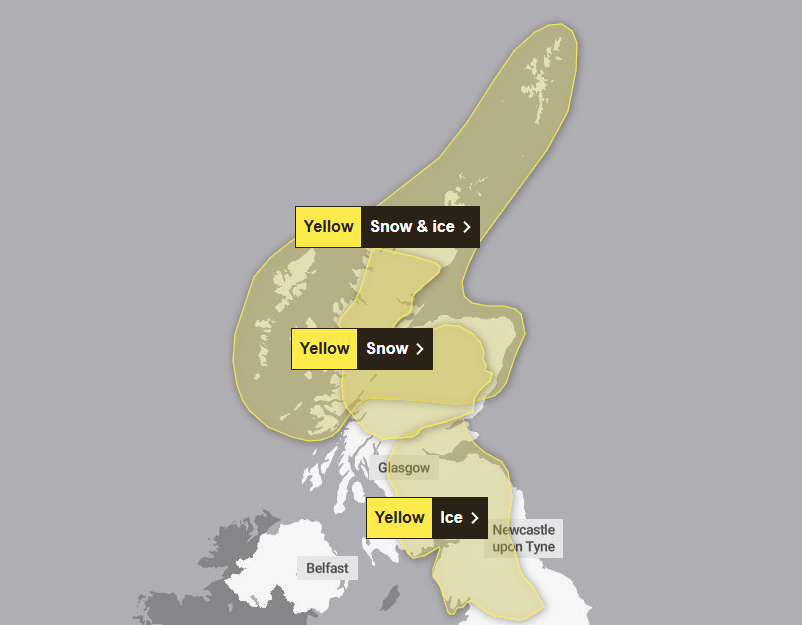
Moderate snow ice warnings can vary significantly depending on geographic location. In colder northern regions, such warnings may be more frequent but less disruptive because infrastructure is designed for winter conditions. Roads are better equipped, and people are generally more experienced in handling icy weather.
In contrast, regions that experience occasional snowfall may find even moderate warnings highly disruptive. Cities that rarely see snow often struggle with preparation, leading to delays in transportation, school closures, and increased accident rates. The same amount of snowfall can have very different impacts depending on local adaptation.
Mountainous areas also experience unique conditions. Here, snowfall and ice can accumulate more quickly, and temperatures remain consistently low. This makes moderate warnings potentially more serious in terms of travel safety, especially on winding roads and steep terrain.
Coastal regions may face mixed precipitation, where snow, rain, and ice occur within short periods. This creates unpredictable surface conditions that can change rapidly. Regional differences highlight why warnings are always tailored to specific areas rather than being applied universally.
Climate Change Influence on Snow and Ice Events
Climate change has begun influencing the patterns and frequency of moderate snow ice warnings in many regions. While global temperatures are rising overall, winter weather is becoming more variable. This means that some areas experience fewer snow events, while others see more intense but less predictable bursts of winter conditions.
One noticeable effect is the increase in freeze-thaw cycles. Warmer daytime temperatures followed by freezing nights create ideal conditions for ice formation. This leads to more frequent moderate warnings even when overall snowfall decreases. These fluctuations make forecasting more complex and less predictable.
Another impact is shifting precipitation types. In some regions, snowfall is increasingly replaced by freezing rain or sleet, which can be more dangerous than dry snow. Ice accumulation from such events can quickly trigger moderate warnings due to its effect on transportation and infrastructure.
Long-term trends suggest that while extreme snowstorms may become less common in some areas, moderate disruptive winter events could become more frequent. This makes understanding and responding to these warnings even more important for public safety.
Preparing in Advance for Future Events
Preparation for moderate snow ice warnings is not just about reacting to immediate alerts but also about planning ahead for the winter season. One of the most effective strategies is keeping essential supplies ready, including food, water, and basic medical items in case travel becomes difficult.
Homes and buildings can also be winterized to reduce risks. Insulating pipes, checking heating systems, and ensuring backup power options are available can help minimize disruption. Small steps taken before winter arrives often make a big difference during actual warning periods.
On a community level, awareness campaigns and local preparedness programs play an important role. Educating people about safe driving, walking, and emergency response can significantly reduce accident rates during moderate snow ice conditions.
Ultimately, preparation is about mindset as much as action. Understanding that moderate snow ice warnings represent real, practical risks helps individuals make better decisions when the weather turns challenging.
FAQs
What does a moderate snow ice warning mean in simple terms? It means weather conditions may cause slippery surfaces and travel disruptions due to snow and ice.
Is a moderate snow ice warning dangerous? Yes, it can be dangerous because even moderate ice can lead to accidents and falls.
Should I travel during a moderate snow ice warning? Only if necessary, and with proper precautions and updated route information.
How long does a moderate snow ice warning usually last? It typically lasts until temperatures rise or precipitation stops and conditions improve.
Can schools close during this warning? Yes, depending on severity and local authority decisions, schools may delay or close.
What is the biggest risk during this warning? Slippery roads and hidden ice patches causing accidents and injuries.
Does this warning always mean heavy snow? No, even light snow or freezing rain can trigger it if conditions are risky.
How can I stay safe while walking outside? Wear proper footwear, walk slowly, and avoid icy or shaded areas whenever possible.
Also read: Lee Juggurnauth Partner: What Is Known About His Relationship Status and Private Life