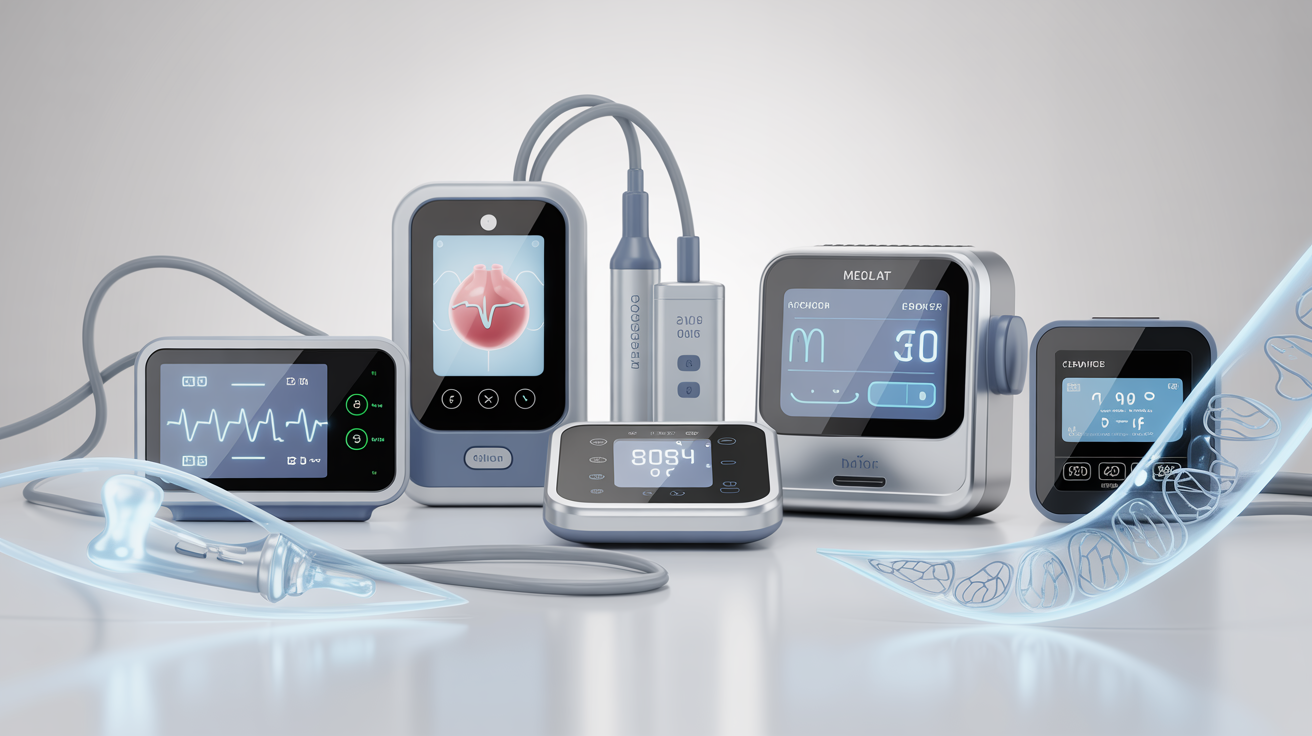
How Medical Animation Helps Device Brands Explain With Confidence
Medical device brands have a difficult communication job.
They need to explain a product that may be technical, sensitive, expensive, and closely tied to patient outcomes. A device might look simple from the outside, but its real value could depend on placement, movement, internal design, clinical workflow, or how it supports a procedure.
A product photo cannot show all of that.
A brochure can list features. A sales rep can explain the device in a meeting. A technical sheet can give specifications. Still, many buyers, clinicians, investors, and patients need to see the device in context before they fully understand its value.
Medical animation gives brands a clearer way to explain. It can show the product in use, reveal hidden parts, simplify anatomy, and make complex procedures easier to follow. When accuracy and clarity matter, animation can help a device brand communicate with more confidence.
Medical Devices Need More Than Product Photos
A product image shows what the device looks like. It does not always show what the device does.
That is a major problem for medical brands. A catheter, implant, diagnostic tool, wearable device, surgical instrument, or monitoring system may depend on a function that is hidden from view.
Animation can make that function visible.
It can show where the device sits, how it moves, how it interacts with anatomy, or how it supports a clinical step. The viewer gets a cleaner understanding without needing a long verbal explanation.
This is useful for hospital buyers, clinicians, product trainers, sales teams, and investors who need to grasp the product quickly.
Accuracy Has to Come Before Style
Medical animation has less room for creative guesswork.
The product must be shown responsibly. Anatomy should be accurate enough for the intended audience. Device movement should match real use. Claims should stay within what the product can support.
A video can look polished and still create doubt if something feels wrong.
That is why a 3D medical animation company needs to work from strong references. CAD files, product documents, clinical notes, medical illustrations, expert feedback, and approved claims all help shape the final video.
The animation should make the device easier to understand, not make it look more dramatic than it is.
Animation Helps Sales Teams Explain Faster
Medical sales conversations can become slow when the product has several technical details.
A sales rep may need to explain how the device works, where it fits into the procedure, how it supports workflow, and why it is different from existing options. If that explanation depends only on words, buyers may miss important details.
A clear animated video gives the team a stronger starting point.
The prospect can see the device in action first. Then the conversation can move into fit, pricing, clinical relevance, implementation, training, or procurement concerns.
This also helps when several decision-makers are involved. A buyer can share the video internally, and the core explanation stays consistent.
Training Becomes Easier to Repeat
Medical device training often depends on steps.
Users may need to understand preparation, placement, handling, cleaning, safety checks, or procedural support. Written guides are useful, but motion can make the sequence easier to remember.
Animation can break training into clear visual stages.
The viewer can see what happens first, what comes next, and what to avoid. They can replay the content when needed. This makes animation useful for clinicians, product users, sales teams, support teams, and distributors.
Training videos should stay practical. The purpose is not to impress the viewer. The purpose is to help them understand the correct process.
Patient Education Needs a Calm Visual Approach
Some medical device content is made for patients.
That requires extra care. Patients may already feel nervous, confused, or overwhelmed. If the video uses too much technical language or overly graphic visuals, it can create more anxiety instead of reducing it.
A patient-facing animation should feel calm and clear.
It can explain the condition, introduce the device, show the basic procedure, and help the patient understand what to expect. The visuals should be simple enough to follow but not so simplified that they feel careless.
This kind of video does not replace a doctor’s advice. It supports better conversations between patients and healthcare professionals.
Product Launches Need Clear Device Stories
A medical device launch is not only about visibility.
The audience needs to understand what problem the device solves and why its design matters. If the launch video only shows polished product angles, it may look attractive but still fail to explain the value.
A stronger launch animation follows a clear story.
It starts with the clinical or workflow challenge. It introduces the device. It shows the key function. It connects that function to a practical benefit.
That structure helps the audience remember the point.
For early-stage products, animation can also help before the final device is ready for filming. A brand can use product models, CAD files, prototypes, and approved references to build launch visuals ahead of time.
3D Visuals Can Show What Cameras Cannot
Live-action video has limits in medical communication.
Some procedures are hard to film clearly. Internal anatomy may not be visible. Device use may happen in a sensitive or restricted setting. Certain movements may need to be slowed down or isolated for explanation.
A skilled 3D animation company can create controlled visuals that show the device, anatomy, movement, and workflow without the limits of live footage.
The camera can move inside a simplified anatomical view. Layers can become transparent. A device can be shown from angles that would not be possible in real filming.
That control helps viewers understand the device more quickly.
The Script Should Stay Focused
Medical device brands often want to include too much in one video.
They may want to explain the condition, device, procedure, product features, clinical benefits, training steps, technical specifications, and brand story all at once. That usually creates a crowded video.
A better approach is to choose one main goal.
Is the video for sales? Training? Patient education? Product launch? Investor communication? Conference display?
Once the goal is clear, every scene should support it. Extra details can go into product pages, brochures, training modules, sales decks, or technical documents.
A focused video is easier to watch and easier to trust.
Medical Animation Should Be Useful Across Channels
A strong medical device animation can support several communication needs.
The full video may work on a product page, sales deck, training platform, or conference screen. Shorter clips can be used in email campaigns, social media, event displays, or follow-up presentations.
This makes the animation more valuable when planned properly.
Before production begins, the team should decide where the video will be used and whether shorter versions are needed. That helps the animation work across the full buyer and education journey.
Conclusion
Medical animation helps device brands explain complex products with more clarity and control. It can show hidden functions, support sales, improve training, guide patient education, and strengthen launch campaigns. The best medical device animations are accurate, focused, and built around the viewer’s real questions. When the product is hard to explain with photos or copy alone, animation gives audiences a clearer way to understand its value.
Frequently Asked Questions
What Is Medical Device Animation?
Medical device animation is a visual format that explains how a medical product looks, works, moves, or supports a procedure.
Why Do Medical Device Brands Use Animation?
They use animation to explain product function, show hidden details, support sales, train users, and improve audience understanding.
Can Medical Animation Help Patients?
Yes. Patient-facing animation can explain devices, procedures, and treatment steps in a calmer, easier-to-follow visual format.
Where Can Medical Device Animation Be Used?
It can be used on product pages, sales decks, training platforms, conference screens, investor presentations, and patient education pages.
How Long Should a Medical Device Animation Be?
Most medical device animations work best between 60 and 120 seconds, depending on the audience, product complexity, and purpose.