Longaniza Dominicana: A Complete Guide to the Dominican Republic’s Beloved Sausage
Introduction
Longaniza dominicana is one of the most recognizable and flavorful foods in the Dominican Republic. Whether it is served for breakfast alongside mangú, grilled at a family barbecue, or paired with crispy tostones, this traditional sausage has earned a permanent place in Dominican cuisine. Its bold seasoning, juicy texture, and rich flavor make it a favorite among locals and visitors alike.
Unlike many other types of sausage found around the world, Dominican longaniza has its own distinctive identity. It combines pork with a generous blend of garlic, oregano, sour orange juice, and spices that reflect the country’s culinary heritage. Every bite delivers a balance of savory, tangy, and slightly smoky notes that make it stand out from other Caribbean sausages.
Over generations, families have developed their own versions of longaniza dominicana, passing recipes from one generation to another. While commercial varieties are widely available today, homemade recipes continue to be treasured because they preserve authentic flavors and traditional preparation methods.
What Is Longaniza Dominicana?
Longaniza dominicana is a seasoned pork sausage that originated from Spanish culinary traditions but evolved into a uniquely Dominican product. It is made by combining ground pork with fat, garlic, oregano, vinegar or sour orange juice, salt, pepper, and various regional spices before stuffing the mixture into natural casings. The sausages are then cured briefly or cooked fresh depending on local preferences.
One of the defining characteristics of Dominican longaniza is its vibrant seasoning. Unlike some European sausages that rely mainly on herbs, Dominican recipes emphasize bold garlic flavors, citrus acidity, and aromatic spices. These ingredients not only enhance taste but also help preserve the meat in traditional preparations.
The sausage is commonly pan-fried, grilled, baked, or cooked over charcoal. During cooking, the natural fat renders beautifully, creating a crispy exterior while keeping the inside juicy and flavorful. This combination of textures makes longaniza dominicana a versatile ingredient that pairs well with numerous side dishes.
The History and Cultural Importance of Longaniza Dominicana
The roots of longaniza dominicana can be traced back to Spanish colonization. Spanish settlers introduced sausage-making techniques to the Caribbean, where local cooks gradually adapted recipes using regional ingredients and traditional Dominican seasonings. Over time, these modifications transformed the original sausage into something entirely unique.
Longaniza eventually became more than just a food item. It turned into a symbol of community gatherings, family celebrations, and local festivals. It is often prepared during holidays, neighborhood cookouts, and special occasions where large meals bring people together around the table.
Today, longaniza remains deeply connected to Dominican identity. Even Dominicans living abroad often seek authentic longaniza from specialty markets because it reminds them of home. Its popularity has helped preserve traditional cooking methods while introducing international audiences to the rich flavors of Dominican cuisine.
Ingredients That Give Longaniza Dominicana Its Signature Flavor

The heart of every excellent longaniza dominicana recipe is high-quality pork. Most recipes use a combination of lean pork and pork fat to achieve the perfect balance between tenderness and juiciness. Without enough fat, the sausage may become dry during cooking.
Garlic is one of the most important ingredients. Dominican cooks rarely hold back when seasoning longaniza, resulting in a bold and aromatic sausage. Fresh garlic works best because it infuses the meat with a natural intensity that powdered alternatives cannot fully replicate.
Another essential ingredient is sour orange juice, known locally as naranja agria. When unavailable, vinegar or lime juice may be substituted, although sour orange provides the most authentic flavor. Oregano, black pepper, paprika, and salt complete the seasoning blend, while some family recipes include cloves, cumin, or chili flakes for additional complexity.
Natural casings are traditionally used because they provide the familiar snap when bitten into. Although synthetic casings are available, natural casings continue to be preferred by many traditional sausage makers because they contribute to the authentic eating experience.
How Longaniza Dominicana Is Traditionally Made
Making longaniza dominicana begins with carefully selecting fresh pork and trimming it into manageable pieces. The meat is usually ground coarsely, allowing the finished sausage to maintain a hearty texture instead of becoming overly smooth.
The ground pork is then mixed thoroughly with garlic, oregano, sour orange juice, salt, pepper, and other seasonings. Many traditional cooks allow the mixture to rest overnight in the refrigerator. This resting period gives the spices time to penetrate the meat, creating a deeper and more balanced flavor profile.
Once seasoned, the mixture is stuffed into cleaned natural casings using a sausage stuffer or manual funnel. The sausages are twisted into links and allowed to dry slightly before cooking or refrigeration. Some producers lightly cure the sausages, while others prepare them fresh for immediate use.
Different Regional Styles of Longaniza Dominicana
Although the basic recipe remains consistent throughout the Dominican Republic, several regions have developed their own distinctive variations. These local differences highlight the country’s diverse culinary traditions and personal family preferences.
In some northern regions, longaniza is heavily seasoned with garlic and oregano, producing a strong and aromatic flavor. These sausages often have a slightly firmer texture due to differences in meat ratios and preparation methods.
Southern regions sometimes prepare longaniza with additional spices or slightly tangier marinades. Certain communities also experiment with smoking techniques that introduce a subtle smoky aroma without overpowering the traditional seasoning profile.
Family recipes represent another important variation. Many households guard their unique spice blends closely, believing that their version produces the finest longaniza. This tradition has created countless interpretations while preserving the core characteristics that define Dominican sausage.
Popular Ways to Cook Longaniza Dominicana
Pan-frying remains one of the most popular cooking methods because it creates a crispy outer layer while allowing the fat to render slowly. The sausage develops a rich golden-brown crust that enhances both flavor and texture.
Grilling over charcoal is another favorite preparation, especially during outdoor gatherings. The smoky heat caramelizes the exterior while maintaining a juicy interior, making grilled longaniza especially satisfying. Many Dominicans consider charcoal grilling the ideal way to enjoy authentic sausage.
Longaniza can also be baked in the oven or cooked in air fryers for a slightly lighter preparation. These methods require less added oil while still producing delicious results. Regardless of the cooking technique, it is important to cook the sausage thoroughly until it reaches a safe internal temperature without overcooking it.
Traditional Dominican Dishes That Feature Longaniza
One of the most iconic combinations is longaniza served with mangú, a creamy mashed green plantain dish. The savory richness of the sausage perfectly complements the smooth texture of the plantains, creating a classic Dominican breakfast.
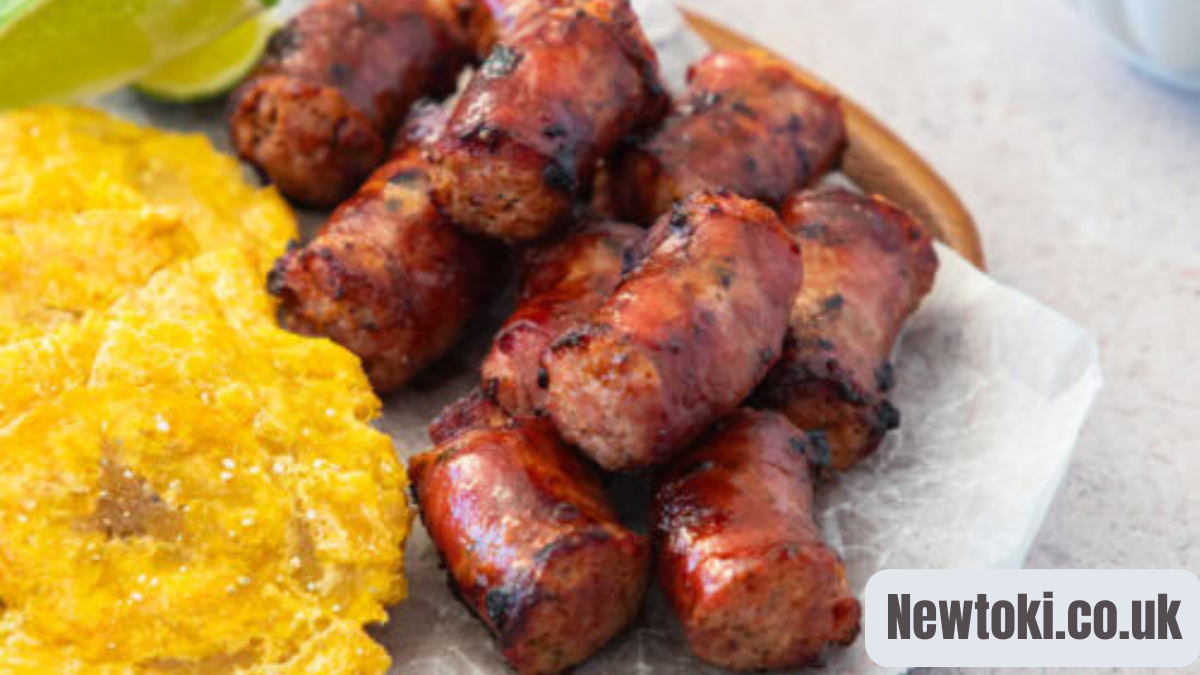
Longaniza is also frequently paired with tostones, which are twice-fried green plantains. Their crispy texture contrasts beautifully with the juicy sausage, making this combination a popular appetizer or casual meal.
Rice and beans provide another traditional pairing. Dominican rice, stewed beans, and fried longaniza create a hearty lunch that is both filling and flavorful. Some households also slice cooked longaniza into pasta dishes, soups, or stews to add depth and richness.
Nutritional Value of Longaniza Dominicana
Longaniza dominicana is a rich source of protein, making it a satisfying option for meals that require lasting energy. Protein supports muscle maintenance, tissue repair, and overall body function, making sausage a valuable part of a balanced diet when enjoyed in moderation.
Like many traditional sausages, longaniza also contains dietary fat, which contributes significantly to its flavor and texture. While fat enhances taste, portion control remains important for individuals managing calorie intake or heart health.
The nutritional content varies depending on the specific recipe, fat ratio, and cooking method. Grilling or baking may reduce excess grease compared to deep frying, while pairing longaniza with vegetables, beans, and whole grains helps create a more balanced meal.
Tips for Buying Quality Longaniza Dominicana
When purchasing longaniza dominicana, freshness should always be the top priority. Fresh sausage typically has a vibrant color, firm texture, and pleasant aroma without any sour or unpleasant odors.
Reading ingredient labels is equally important. High-quality products generally contain recognizable ingredients such as pork, garlic, oregano, citrus juice, salt, and spices. Products with excessive fillers or artificial additives may not deliver the same authentic flavor.
Buying from trusted Dominican butcher shops or specialty Latin markets often provides the best experience. These businesses usually prepare traditional recipes that closely resemble homemade longaniza, offering superior taste and quality.
How to Store Longaniza Dominicana Properly
Fresh longaniza should always be refrigerated promptly after purchase. Keeping it at a safe temperature helps preserve freshness while reducing the risk of spoilage. It is best consumed within a few days unless frozen.
For longer storage, freezing is an excellent option. Individual portions can be wrapped tightly before placing them in freezer-safe bags. This method prevents freezer burn while making it convenient to thaw only the amount needed for cooking.
When thawing frozen longaniza, transferring it to the refrigerator overnight is the safest method. Avoid leaving raw sausage at room temperature for extended periods, as improper handling can affect both quality and food safety.
Why Longaniza Dominicana Continues to Grow in Popularity
Global interest in Caribbean cuisine has introduced more people to Dominican flavors than ever before. As food enthusiasts search for authentic international dishes, longaniza dominicana continues to attract attention for its bold seasoning and versatile cooking possibilities.
Social media has also contributed to its growing reputation. Home cooks, travel bloggers, and professional chefs regularly showcase Dominican recipes featuring longaniza, inspiring audiences worldwide to recreate traditional meals in their own kitchens.
The increasing availability of Dominican grocery stores and online specialty food retailers has made authentic longaniza easier to find outside the Dominican Republic. This accessibility allows more people to experience one of the country’s most celebrated culinary traditions while helping preserve its cultural significance.
Conclusion
Longaniza dominicana is much more than a flavorful sausage. It represents generations of culinary tradition, family heritage, and Dominican pride. Its distinctive blend of garlic, oregano, citrus, and spices creates a taste that is instantly recognizable and deeply satisfying.
Whether enjoyed with mangú for breakfast, grilled during a family gathering, or served alongside rice and beans for lunch, Dominican longaniza consistently delivers bold flavors and comforting familiarity. Its versatility allows it to fit into countless recipes while remaining true to its traditional roots.
As interest in Dominican cuisine continues to expand across the world, longaniza dominicana remains one of its finest ambassadors. Its authentic preparation, rich history, and unforgettable flavor ensure that it will continue to be appreciated by future generations both inside and outside the Dominican Republic.
FAQs
What is longaniza dominicana?
It is a traditional Dominican pork sausage seasoned with garlic, oregano, sour orange juice, and spices.
Is longaniza dominicana spicy?
Most traditional recipes are flavorful rather than spicy, although some regional versions include chili peppers.
What meat is used in longaniza dominicana?
Pork is the primary meat used, often combined with pork fat for a juicy texture.
How is longaniza dominicana usually cooked?
It is commonly pan-fried, grilled, baked, or cooked over charcoal until fully done.
Can longaniza dominicana be frozen?
Yes, it freezes well when wrapped properly and stored in airtight freezer bags.
What dishes pair well with longaniza dominicana?
Mangú, tostones, rice and beans, yuca, and fried plantains are popular pairings.
Does longaniza dominicana contain garlic?
Yes, fresh garlic is one of its signature ingredients and contributes significantly to its flavor.
Is longaniza dominicana different from Spanish longaniza?
Yes, the Dominican version uses local seasonings and citrus flavors that create a unique taste.
How long does fresh longaniza dominicana last in the refrigerator?
Fresh longaniza is generally best consumed within a few days when kept properly refrigerated.
Can I cook longaniza dominicana in an air fryer?
Yes, an air fryer can cook longaniza evenly while reducing the need for additional oil.
Also read: Best Pollo Guisado Near Me: How to Find the Most Flavorful Dominican Chicken Stew