Is Cheese Bad for Gout? A Complete Expert Guide
Understanding Gout: What’s Really Happening in Your Body
Gout is a type of inflammatory arthritis that develops when uric acid levels in the blood become too high. This excess uric acid can form sharp, needle-like crystals in joints, leading to intense pain, swelling, and redness. Most commonly, gout affects the big toe, but it can also impact ankles, knees, wrists, and fingers. People often describe gout attacks as sudden and severe, sometimes waking them up at night.
To understand whether is cheese bad for gout, you first need to understand how uric acid is formed. Uric acid is produced when the body breaks down substances called purines. Purines are naturally found in your body, but they’re also present in many foods. Foods high in purines, such as red meat, organ meats, and certain seafood, can increase uric acid levels significantly.
Diet plays a major role in managing gout. While genetics and kidney function also influence uric acid levels, what you eat can either trigger flare-ups or help prevent them. That’s why foods like cheese often come into question. People want to know if dairy products contribute to uric acid buildup or if they are actually safe to consume.
What Is Cheese Made Of and How Does It Affect the Body?
Cheese is a dairy product made from milk, typically cow’s milk, although goat and sheep milk are also used. It contains protein, fat, calcium, and various vitamins. Depending on the type, cheese can range from soft and creamy to hard and aged, and its nutritional composition varies widely.
One of the key factors when evaluating cheese for gout is its purine content. Unlike many protein-rich foods, cheese is generally low in purines. This is important because low-purine foods do not significantly contribute to uric acid production in the body. That alone makes cheese different from foods like beef or anchovies, which are known to worsen gout symptoms.
Another aspect to consider is how cheese affects metabolism and inflammation. Some types of cheese, especially processed ones, can be high in saturated fats and sodium. While these don’t directly increase uric acid, they can contribute to overall inflammation and poor metabolic health, which may indirectly worsen gout symptoms over time.
Is Cheese Bad for Gout? The Short Answer Explained
The simple answer is no, cheese is not bad for gout. In fact, many types of cheese can be safely consumed by people who have gout. Since cheese is low in purines, it does not significantly increase uric acid levels in the body.
Interestingly, some research suggests that low-fat dairy products may actually help reduce uric acid levels. This means that not only is cheese generally safe, but certain types might even offer protective benefits. Low-fat milk, yogurt, and some cheeses have been associated with a lower risk of gout attacks.
However, it’s important to note that not all cheeses are created equal. High-fat, heavily processed, or very salty cheeses may not be the best choice for overall health. While they won’t directly trigger gout, they can contribute to weight gain and inflammation, which are risk factors for gout flare-ups.
Types of Cheese and Their Impact on Gout
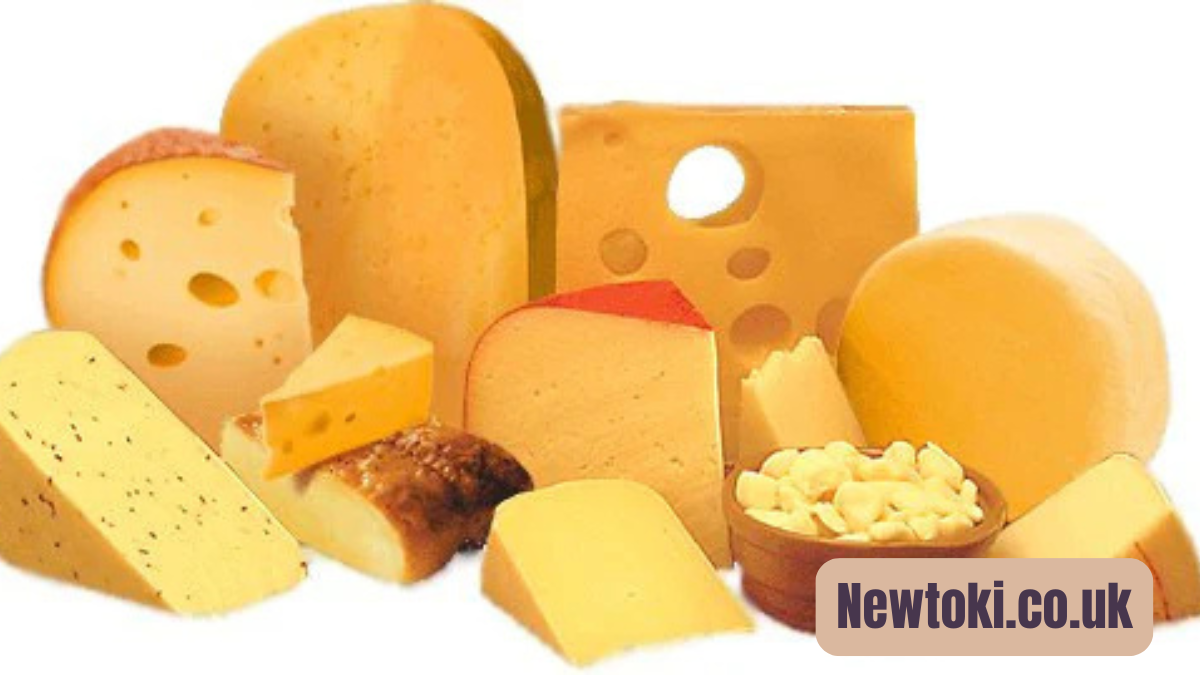
Not all cheeses affect the body in the same way, so it’s worth looking at different categories. Fresh cheeses like ricotta, cottage cheese, and mozzarella are typically lower in fat and easier to digest. These are often considered the best options for people with gout because they provide protein without excessive calories or unhealthy fats.
Aged cheeses such as cheddar, parmesan, and gouda have a more concentrated flavor and nutrient profile. While they are still low in purines, they tend to be higher in fat and sodium. Eating them occasionally in moderate amounts is generally fine, but overconsumption could lead to other health issues.
Processed cheeses, including cheese spreads and slices, are often the least healthy option. They may contain additives, preservatives, and high levels of sodium. While they won’t directly spike uric acid levels, they are not ideal for maintaining overall health, which is important for managing gout effectively.
The Role of Dairy in Gout Management
Dairy products have been widely studied in relation to gout, and the findings are quite interesting. Unlike meat-based proteins, dairy proteins seem to have a neutral or even beneficial effect on uric acid levels. This makes dairy an important part of a gout-friendly diet.
Low-fat dairy, in particular, has been shown to help the body excrete uric acid more efficiently. This means that including foods like milk, yogurt, and certain cheeses in your diet could potentially reduce the frequency of gout attacks. It’s a rare case where a protein source actually helps rather than harms.
Full-fat dairy is a bit more controversial. While it doesn’t increase purines, it does contain more saturated fat. High intake of saturated fat can lead to weight gain and insulin resistance, both of which are linked to higher uric acid levels. So while full-fat cheese is not harmful in small amounts, moderation is key.
How Much Cheese Is Safe to Eat with Gout?
Portion control plays a big role in managing gout, even when it comes to safe foods like cheese. Just because cheese is low in purines doesn’t mean you should eat unlimited amounts. Overeating can lead to weight gain, which is a major risk factor for gout.
A reasonable portion of is cheese bad for gout is typically around 30–50 grams per serving. This amount provides protein and nutrients without excessive calories. Pairing cheese with healthy foods like whole grains, vegetables, or fruits can make it part of a balanced diet.
It’s also helpful to pay attention to how your body responds. Everyone’s body is slightly different, and while cheese is generally safe, individual tolerance can vary. Keeping a food diary can help you identify any patterns or triggers related to your gout symptoms.
Cheese vs High-Purine Foods: A Clear Comparison
When comparing cheese to high-purine foods, the difference is significant. Foods like red meat, shellfish, and organ meats contain high levels of purines, which directly increase uric acid production. These foods are well-known triggers for gout attacks.
Cheese, on the other hand, contains very low levels of purines. This means it does not contribute significantly to uric acid buildup. In fact, replacing high-purine protein sources with low-purine options like cheese can be a smart dietary strategy for managing gout.
This substitution approach is often recommended by nutrition experts. Instead of eliminating protein entirely, which is not healthy, the goal is to choose better sources. Cheese, especially low-fat varieties, fits well into this plan.
Potential Benefits of Cheese for People with Gout

Cheese offers several benefits beyond being low in purines. It is a good source of calcium, which is important for bone health. People with gout often need to pay attention to overall joint health, and calcium plays a role in maintaining strong bones.
Protein is another important nutrient found in cheese. It helps with muscle maintenance and overall body function. Since some high-protein foods are restricted in gout, cheese can serve as a valuable alternative source.
Additionally, certain compounds in dairy may help reduce inflammation. While the effect is not dramatic, it can contribute to overall well-being. Combined with other healthy lifestyle choices, cheese can be part of a supportive diet for managing gout.
Common Myths About Cheese and Gout
One common myth is that all protein-rich foods are bad for gout. This is not true. The impact of a food depends largely on its purine content, not just its protein level. Cheese is a perfect example of a high-protein food that is low in purines.
Another misconception is that dairy products increase inflammation. While this may be true for some individuals with lactose intolerance or sensitivities, it is not a general rule. For most people, dairy does not worsen inflammation and may even have mild anti-inflammatory effects.
Some people also believe that avoiding all dairy is necessary for gout management. This is outdated advice. Modern research suggests that low-fat dairy can actually be beneficial, making complete avoidance unnecessary and potentially counterproductive.
Tips for Including Cheese in a Gout-Friendly Diet
Incorporating cheese into your diet doesn’t have to be complicated. The key is to choose the right types and consume them in moderation. Opt for low-fat or reduced-fat options whenever possible, as these provide the benefits without excessive calories.
Pairing cheese with other healthy foods can also make a difference. For example, adding a small amount of cheese to a salad or whole-grain sandwich can enhance flavor without overdoing it. This helps you enjoy your meals while staying within dietary guidelines.
Staying hydrated is another important factor. Drinking plenty of water helps the body flush out uric acid, reducing the risk of crystal formation. Even if you’re eating gout-friendly foods like cheese, hydration remains essential.
Lifestyle Factors That Matter More Than Cheese
While diet is important, it’s not the only factor in managing gout. Lifestyle habits such as maintaining a healthy weight, staying active, and avoiding excessive alcohol play a significant role. In many cases, these factors have a bigger impact than specific foods.
Obesity is strongly linked to higher uric acid levels. Losing even a small amount of weight can reduce the frequency of gout attacks. Regular exercise helps improve metabolism and overall health, making it easier to manage the condition.
Alcohol, especially beer and spirits, is a known trigger for gout. Unlike cheese, alcohol can significantly increase uric acid levels. Limiting alcohol intake is often more important than worrying about dairy products.
Final Verdict: Should You Avoid Cheese If You Have Gout?
There is no need to avoid cheese if you have gout. In fact, it can be a safe and even beneficial part of your diet when consumed in moderation. Its low purine content makes it a better protein choice compared to many other foods.
That said, not all cheese is equal. Choosing healthier options and controlling portion sizes is important. Focus on low-fat varieties and avoid heavily processed types when possible. This approach supports both gout management and overall health.
Ultimately, managing gout is about balance. Cheese can fit comfortably into a well-rounded diet that includes plenty of fruits, vegetables, whole grains, and lean proteins. When combined with healthy lifestyle habits, it does not pose a risk and may even offer some benefits.
FAQs
Is cheese safe to eat during a gout attack? Yes, cheese is low in purines and generally safe even during flare-ups.
Which cheese is best for gout? Low-fat options like cottage cheese or mozzarella are usually the best choices.
Can cheese lower uric acid levels? Some low-fat dairy products may help reduce uric acid slightly.
Is cheddar cheese bad for gout? It’s not harmful, but should be eaten in moderation due to higher fat content.
Can I eat cheese every day with gout? Yes, in moderate portions as part of a balanced diet.
Also read: Princess Royal Parcel Hub: Inside the UK’s Major Logistics and Sorting Center