Falkirk Pavement Parking Ban: What It Means, Why It Matters, and How It’s Changing Local Streets
Understanding the Falkirk Pavement Parking Ban
The pavement parking ban in Falkirk has become one of those topics that sparks strong opinions from just about everyone—drivers, pedestrians, business owners, and local authorities alike. At its core, the policy is designed to tackle a long-standing issue: vehicles mounting pavements and blocking safe access for people walking. While it might seem like a straightforward rule change, the implications are layered and far-reaching.
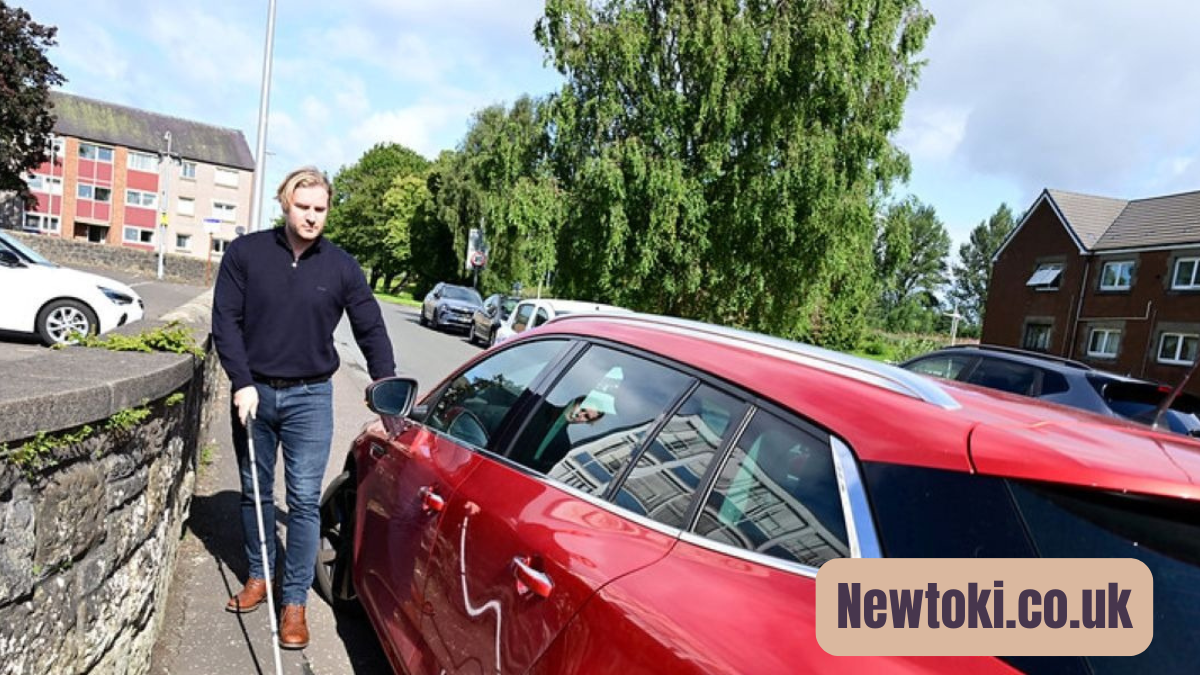
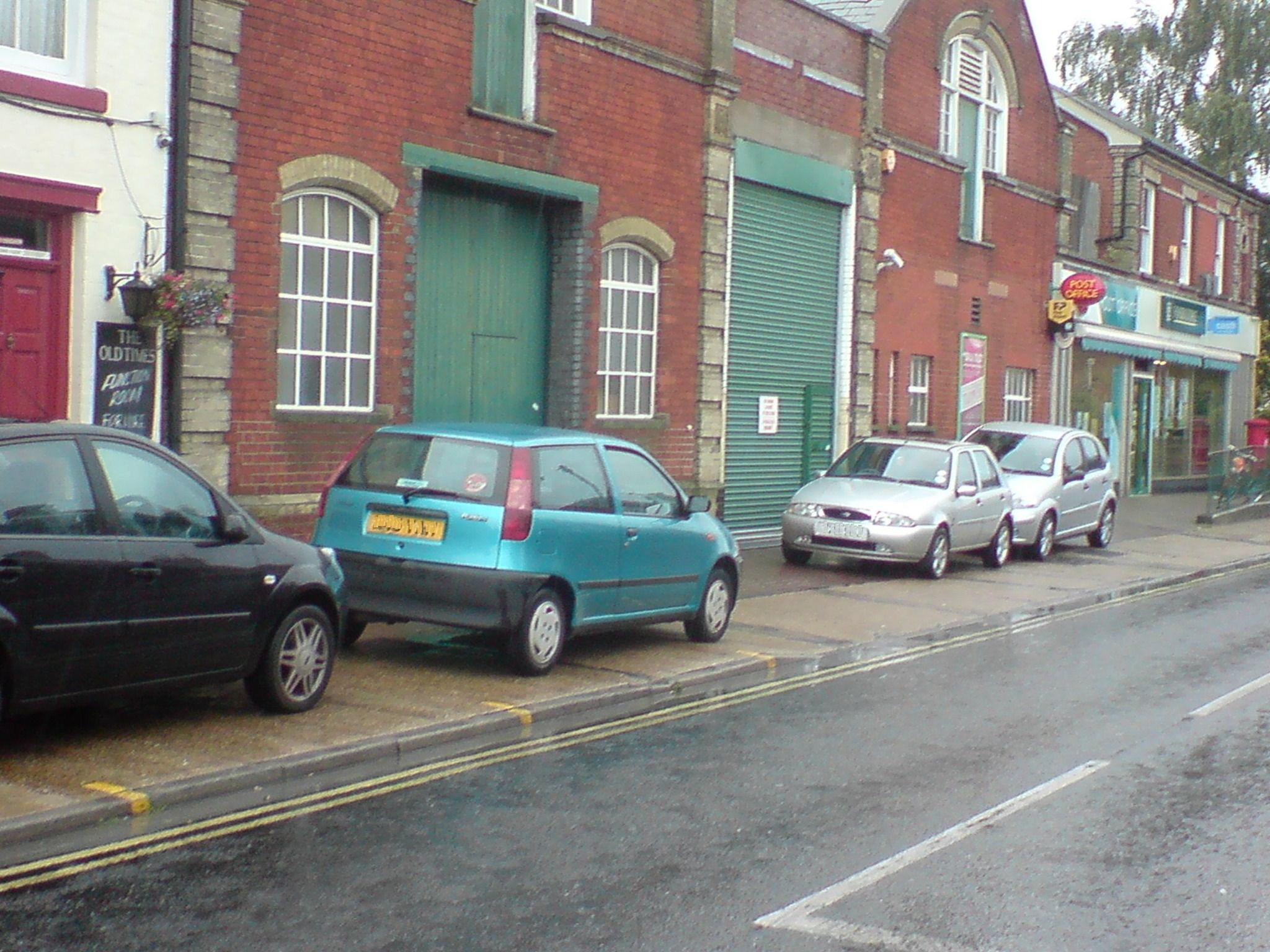
For years, pavement parking was often treated as a practical workaround in areas where roads are narrow and parking space is limited. Drivers would partially mount the curb to avoid blocking traffic, especially in older neighborhoods not built for modern vehicle sizes. But what felt like a convenient solution for drivers often created real hazards for others, particularly those with mobility challenges, parents with prams, and visually impaired individuals.
The Falkirk pavement parking ban is part of a broader shift in urban planning priorities. There is a growing recognition that public spaces should be designed with pedestrians in mind first, rather than as an afterthought. This policy signals a move toward safer, more accessible streets, even if it requires some adjustment from residents and visitors.
Why the Ban Was Introduced
The reasoning behind the ban is rooted in accessibility and safety concerns. Pavements are intended for pedestrians, yet parked cars often reduce usable space to a narrow strip—or block it entirely. This forces people to step into the road, which can be dangerous, especially on busy streets or in areas with poor visibility.
Local authorities in Falkirk have received consistent feedback over the years about the negative impact of pavement parking. Complaints ranged from blocked pathways to near-miss incidents involving pedestrians stepping into traffic. For individuals using wheelchairs or mobility aids, the issue is even more serious, as navigating around parked vehicles can be extremely difficult or impossible.
There is also a legal and ethical dimension. Public walkways are meant to be accessible to all members of the community. When vehicles obstruct these spaces, it effectively excludes certain groups from using them safely. The ban aims to correct this imbalance and reinforce the idea that pedestrian rights are not secondary to driver convenience.
Key Rules and What They Mean for Drivers
The Falkirk pavement parking ban introduces clear rules that drivers must follow. In simple terms, parking on pavements is no longer allowed unless explicitly permitted. This includes situations where only part of the vehicle is on the pavement, which was previously common practice in tight streets.
Drivers now need to be more mindful of where they leave their vehicles. It is no longer acceptable to assume that partial pavement parking is harmless. Even if a car appears to leave enough space, the standard is stricter because what seems sufficient to one person might not be accessible for another.
There are designated exceptions in certain areas where pavement parking may still be allowed. These are typically marked clearly by signage or road markings. The presence of these exceptions highlights that the policy is not about punishing drivers, but about managing space more effectively while maintaining accessibility where possible.
Impact on Local Residents
For residents, the ban has introduced both challenges and benefits. On one hand, those living in areas with limited parking options may find it more difficult to park near their homes. Streets that once accommodated both moving traffic and parked cars using the pavement now feel more constrained.
However, the benefits are tangible, especially for those who rely heavily on safe, unobstructed walkways. Parents pushing strollers, elderly individuals, and people with disabilities are among those who notice the difference immediately. The pavements become more predictable and usable, which improves overall quality of life.
There is also a subtle cultural shift taking place. Residents are becoming more aware of how their parking choices affect others. This awareness can foster a stronger sense of community responsibility, even if it takes time for everyone to adjust.
Effects on Businesses and Local Economy
Businesses in Falkirk have had mixed reactions to the pavement parking ban. Some initially worried that stricter parking rules would discourage customers from visiting, particularly in areas where on-street parking is limited. Accessibility for customers who drive is always a key concern for retailers and service providers.
On the other hand, improved pedestrian access can actually benefit businesses in the long run. When streets are easier and safer to walk along, people are more likely to spend time browsing shops, visiting cafes, and engaging with local businesses. A pedestrian-friendly environment often translates into increased foot traffic.
There is also a reputational aspect. Areas that prioritize accessibility and safety tend to be viewed more positively by both residents and visitors. Over time, this can enhance the attractiveness of Falkirk as a place to live, work, and shop, which ultimately supports economic activity.
Enforcement and Penalties
Enforcement plays a crucial role in the success of the pavement parking ban. Without consistent monitoring and penalties, the rules would quickly lose their effectiveness. Local authorities have put systems in place to ensure that violations are addressed.
Drivers who park on pavements in restricted areas can face fines. These penalties are intended not just as punishment, but as a deterrent. The goal is to encourage compliance rather than generate revenue. Clear communication about the rules and consequences helps reduce confusion and ensures that drivers understand their responsibilities.
There is also an element of fairness in enforcement. Consistency is key—if some violations are ignored while others are penalized, it undermines trust in the system. By applying the rules uniformly, authorities reinforce the legitimacy of the policy.
Challenges and Criticism
No policy change comes without criticism, and the Falkirk pavement parking ban is no exception. One of the most common concerns is the lack of alternative parking options in certain areas. Residents argue that the ban addresses one problem while creating another.
There is also frustration among drivers who feel that the rules are too rigid. In streets where full on-road parking would block traffic, pavement parking was seen as a practical compromise. The new regulations can feel like they remove that flexibility without offering a clear solution.
Another challenge is public awareness. Not everyone immediately understands the specifics of the ban, especially when exceptions exist. This can lead to unintentional violations and frustration. Ongoing communication and education are essential to address this issue.
Long-Term Urban Planning Implications
The pavement parking ban is not just a standalone policy—it reflects broader trends in urban planning. Cities and towns are increasingly prioritizing walkability, accessibility, and sustainable transport. Falkirk’s approach aligns with these evolving priorities.
In the long term, the ban may encourage changes in infrastructure. Streets could be redesigned to better accommodate both parking and pedestrian access. This might include clearer markings, designated parking zones, and improved public transport options.
There is also potential for behavioral change. As people adapt to the new rules, they may become more open to alternative modes of transport, such as walking, cycling, or using public transit. This shift can have positive effects on traffic congestion and environmental sustainability.
Comparing Falkirk’s Approach to Other Regions
Falkirk is not alone in addressing pavement parking. Similar measures have been introduced in other parts of the UK and beyond. Comparing these approaches can provide useful insights into what works and what does not.
Some regions have implemented blanket bans, while others use a more targeted approach with designated exceptions. Falkirk’s model strikes a balance by prohibiting pavement parking in general while allowing it in clearly marked areas where it is deemed safe.
Learning from other regions also highlights the importance of communication and enforcement. Policies that are clearly explained and consistently applied tend to achieve better results. Falkirk’s experience contributes to a growing body of knowledge on how to manage shared urban spaces effectively.
How Residents Can Adapt
Adapting to the pavement parking ban requires a shift in habits. For drivers, this means planning ahead and being more mindful of parking choices. It may involve walking a bit further from a designated parking spot or considering alternative transport options.
Residents can also play a role in supporting the transition. Reporting issues, providing feedback to local authorities, and engaging in community discussions can help refine the policy and address concerns. Constructive input is more effective than resistance.
Over time, what initially feels inconvenient often becomes the new normal. As people adjust, the benefits of safer and more accessible streets become more apparent, making the transition worthwhile.
The Role of Community Awareness
Community awareness is a critical factor in the success of the pavement parking ban. Policies alone cannot change behavior—people need to understand the reasons behind them and feel motivated to comply.
Educational campaigns, clear signage, and open communication all contribute to building awareness. When residents understand how pavement parking affects others, they are more likely to make considerate choices.
There is also a social dimension. When responsible behavior becomes the norm, it creates a ripple effect. People are influenced by what they see others doing, which can reinforce positive habits across the community.
Environmental and Social Benefits
While the primary focus of the ban is accessibility, there are broader environmental and social benefits as well. Reducing reliance on cars for short trips can lower emissions and contribute to cleaner air.
Safer, more accessible streets also encourage walking and cycling. This has positive effects on public health, as people incorporate more physical activity into their daily routines. It also fosters a stronger sense of community, as people interact more in shared spaces.
These benefits may not be immediately obvious, but they become more significant over time. The pavement parking ban is one piece of a larger puzzle aimed at creating healthier, more sustainable urban environments.
Future Outlook
Looking ahead, the Falkirk pavement parking ban is likely to evolve based on feedback and experience. Policies are rarely perfect from the outset, and adjustments are a natural part of the process.
There may be refinements in how exceptions are handled, improvements in infrastructure, and ongoing efforts to balance the needs of drivers and pedestrians. The key is maintaining a flexible approach while staying committed to the core principles of safety and accessibility.
Ultimately, the success of the ban will depend on how well it is integrated into the daily lives of residents. If it becomes a natural part of how people think about and use public space, it will have achieved its goal.
FAQs
What is the Falkirk pavement parking ban?
It is a rule that restricts parking vehicles on pavements unless specifically permitted.
Why was the ban introduced?
It was introduced to improve pedestrian safety and ensure accessible walkways.
Are there any exceptions to the ban?
Yes, certain areas allow pavement parking if clearly marked.
What happens if someone breaks the rule?
Drivers can receive fines or penalties for non-compliance.
Does the ban affect all streets in Falkirk?
Most streets are covered, but some have designated exceptions.
How does the ban benefit pedestrians?
It ensures pavements remain clear and safe for walking.
Can residents request parking exemptions?
Requests can be made, but approval depends on safety assessments.
Will more parking spaces be created?
There may be adjustments over time, but no guarantee of new spaces.
Is the ban permanent?
It is intended as a long-term policy but may evolve.
How can people learn more about the rules?
Through local council updates and official communications.
Also read: Playing Games on Blog PlayBattleSquare: The Ultimate Guide for Gamers and Bloggers